DAO Treasury Management: A Guide to Sustainable On-Chain Finance
 Apr, 20 2026
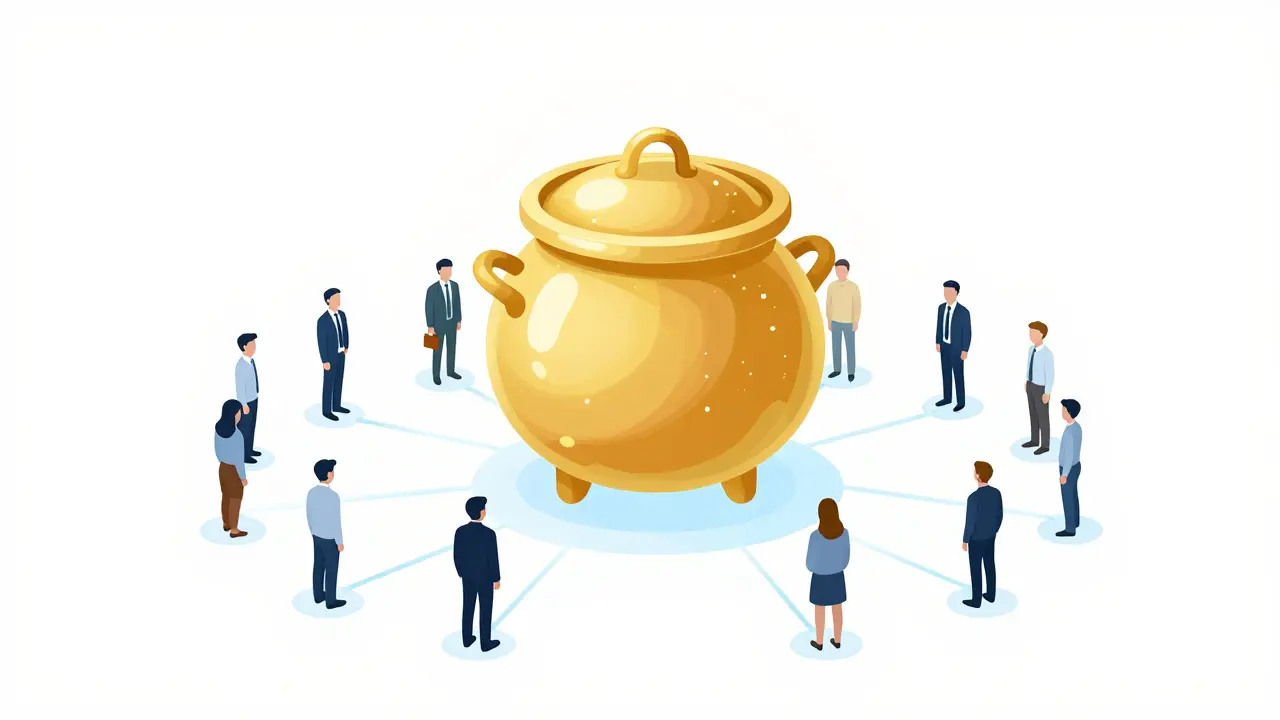
Effective DAO treasury management is the process of handling, allocating, and protecting the financial resources of a decentralized organization. The treasury is the financial backbone of any DAO, acting as a collective pool of assets-usually cryptocurrency-that funds development, pays contributors, and ensures the project doesn't collapse during a market crash. Because this money belongs to the community, the way it is managed determines whether a project thrives or disappears into the void of a failed experiment.
The Core Pillars of Treasury Operations
Managing a treasury on-chain isn't just about holding coins; it's about creating a sustainable system that survives volatility. To do this, DAOs focus on four main operational areas:
- Budget Allocation: This is the strategic part. Instead of a yearly corporate budget, DAOs often use a proposal-based system. Funds are distributed toward initiatives that align with the organization's goals, such as paying a team of developers to build a new feature or funding a marketing campaign.
- Governance Mechanisms: This is where the "Autonomous" part of the DAO comes in. Decisions aren't made in a boardroom. Instead, token holders use Governance Tokens to vote on proposals. This ensures that the people who have a stake in the project are the ones deciding where the money goes.
- Risk Management: Crypto markets are famous for sudden crashes. DAOs must identify and mitigate risks like market volatility (the price of their main asset dropping 50% in a week) and protocol risk (a bug in the smart contract that holds the funds).
- Performance Review: Accountability is huge in a decentralized setup. Regular reporting and auditing allow the community to see if the allocated funds actually produced the promised results.
Security First: Protecting the Community Chest
In the traditional world, if a company loses its bank password, they call the bank. In a DAO, if the private keys are stolen, the money is gone forever. This is why security isn't just a feature-it's the foundation.
Most successful DAOs rely on Multi-signature Wallets (or multi-sigs). A multi-sig wallet is a digital vault that requires more than one person to sign off on a transaction before funds can be moved. For example, a "3-of-5" setup means that at least three authorized signers must approve a payment. This eliminates the "single point of failure" where one hacked account could drain the entire treasury.
Beyond wallets, DAOs use Smart Contract Audits. Since the treasury is managed by code, that code must be bulletproof. Third-party security firms review the scripts to find vulnerabilities before hackers do. Additionally, many organizations keep a significant portion of their assets in cold storage-hardware devices disconnected from the internet-to protect long-term reserves from online attacks.
| Feature | Traditional Company | DAO Treasury |
|---|---|---|
| Authority | Centralized (CFO/Board) | Decentralized (Token Holders) |
| Transparency | Private/Quarterly Reports | Public/Real-time on Blockchain |
| Asset Control | Bank Accounts | Smart Contracts / Multi-sigs |
| Decision Speed | Fast (Top-down) | Slower (Voting period required) |
The Diversification Strategy: Avoiding the "Native Token Trap"
One of the biggest mistakes early DAOs made was holding 100% of their treasury in their own native token. While this looks great on paper during a bull market, it's a disaster waiting to happen. If the project's token price drops, the treasury's purchasing power vanishes exactly when the project needs money most to survive the bear market.
Experienced treasurers implement a diversification strategy. They swap a portion of their native tokens for Stablecoins (like USDC or DAI) or established assets like Ethereum. By spreading holdings across different asset classes, the DAO creates a financial buffer. This allows them to continue paying contributors and funding operations even when the market is bleeding.
This shift toward professional asset management is a sign of the ecosystem maturing. We are seeing DAOs move from "just holding tokens" to implementing sophisticated financial controls that mimic hedge funds, but with a community-driven twist.
Community Trust and On-Chain Transparency
Transparency is the "secret sauce" of DAO longevity. In a traditional company, you have to trust that the accountant isn't cooking the books. In a DAO, every single transaction is etched into the blockchain for anyone to see. This level of visibility creates a powerful psychological bond between the project and its members.
However, raw blockchain data is hard to read. To solve this, DAOs use treasury dashboards and regular reports. When a community can see exactly how many tokens are left and where the last 10,000 USDC went, trust increases. This trust makes it easier to pass new proposals and attract new investors or contributors who know the funds aren't being mismanaged behind closed doors.
Common Pitfalls to Avoid
Even with the best intentions, many DAOs stumble. Here are the most common mistakes:
- Over-reliance on a few signers: If a multi-sig has 3 signers and 2 of them lose their keys or disappear, the funds are locked forever. Diversifying signers is critical.
- Lack of a clear spending roadmap: Spending money based on "vibes" or short-term hype leads to depleted treasuries. A long-term financial plan is essential for sustainability.
- Ignoring Regulatory Changes: As governments update laws around cryptocurrency, the way a treasury is held might need to change to avoid legal risks.
- Voting Fatigue: When every tiny expense requires a community vote, members stop participating. The best DAOs delegate small spending decisions to "working groups" while keeping big decisions for the whole community.
What is the main goal of DAO treasury management?
The primary goal is to ensure the long-term financial sustainability of the organization. This involves balancing the need to fund current operations and growth with the need to protect assets from market volatility and security threats.
How does a multi-sig wallet protect a DAO?
A multi-sig wallet prevents any single person from having total control over the funds. By requiring multiple authorized signatures to approve a transaction, it eliminates the risk of a single compromised key leading to a total treasury drain.
Why shouldn't a DAO hold only its own token?
Holding only native tokens creates a high-risk scenario where the organization's funding is tied directly to its own token price. If the price crashes, the DAO may lack the liquid funds needed to pay staff or maintain the project during a bear market.
What is the difference between governance and treasury management?
Governance is the overarching system of rules and voting used to make decisions. Treasury management is the specific application of those rules to the organization's financial assets, focusing on budgeting, diversification, and security.
How can a DAO ensure its treasury is transparent?
Beyond the inherent transparency of the blockchain, DAOs can use public dashboards, regular financial reports, and open-access accounting tools that translate complex on-chain transactions into readable data for the community.
Next Steps for DAO Treasurers
If you are currently managing a DAO treasury, your first step should be a security audit. Ensure your multi-sig setup is robust and that keys are distributed among trusted, diverse members. Second, look at your asset allocation; if you're 90% in your own token, it's time to start diversifying into stablecoins.
Finally, establish a communication loop. Create a monthly report that summarizes spending and progress. When the community feels informed, they are more likely to support the bold financial decisions needed to take the project to the next level.