Future of Decentralized Governance Tokens in 2026
 Feb, 24 2026
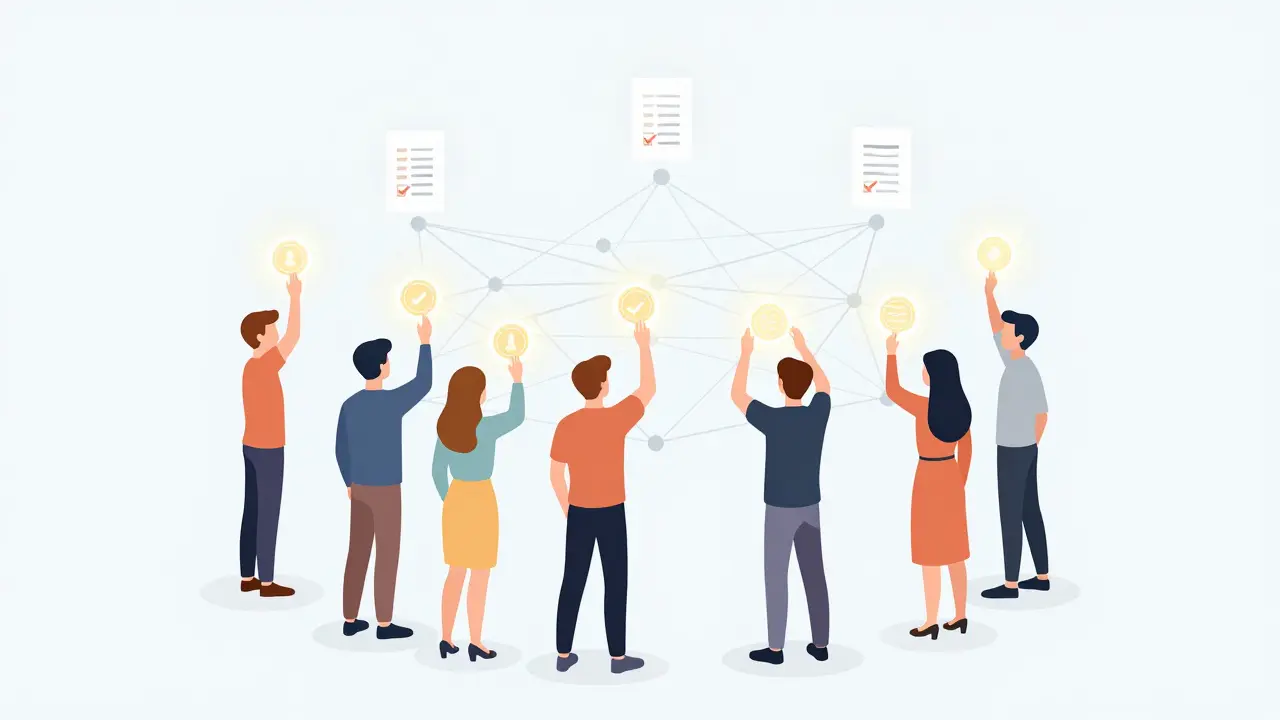
Imagine a company where every user gets a vote on major decisions - not just the board members, but anyone who uses the product. That’s what governance tokens are making real in blockchain ecosystems today. Unlike regular crypto coins that just hold value, governance tokens give you actual power: the right to vote on changes to the protocol, how money is spent, or even who gets funded. This isn’t science fiction. It’s happening right now in DeFi, NFTs, and social protocols - and it’s changing how we think about ownership, control, and decision-making.
How Governance Tokens Work
Governance tokens are digital keys that unlock voting rights inside decentralized organizations. Holders can propose changes or vote on them. The more tokens you hold, the more weight your vote carries - at least in the most common system. Take MakerDAO’s MKR token: if you own MKR, you can vote on things like the stability fee for DAI, the stablecoin that keeps its value pegged to the dollar. Or look at Uniswap’s UNI token - holders decide which liquidity pools get boosted, how fees are distributed, and even which developers get paid from the treasury.
These aren’t just abstract votes. They affect real money. A single proposal can shift how millions in assets are managed. That’s why governance tokens are more than just assets - they’re instruments of control. And unlike traditional corporations where shareholders vote from afar, here, anyone with an internet connection can join the conversation.
Why Traditional Governance Falls Short
Corporate boards are slow. They’re secretive. And they answer to investors, not users. Governance tokens flip that model. No CEO decides alone. No insider gets special access. Everything happens on-chain, visible to all. Proposals are public. Votes are recorded forever. You can see exactly how many people supported a change - and who voted yes or no.
But there’s a catch. Most people don’t vote. Research shows that in many DAOs, fewer than 5% of token holders participate in governance. Why? Because reading a 50-page proposal on gas fee adjustments isn’t fun. Most users don’t have the time, the technical background, or the incentive to dig in. That’s why simple token-based voting - where big holders dominate - is starting to look broken.
New Voting Models Are Emerging
Smart teams are experimenting with better ways to vote. Quadratic voting, for example, lets you cast multiple votes, but each additional vote costs more than the last. This prevents whales from steamrolling the community. If you hold 100 tokens, you can cast 10 votes. But if you want 20 votes, you need 400 tokens - not 200. That’s a big shift.
Then there’s delegated voting. Instead of voting yourself, you assign your vote to someone else - a trusted expert, a developer, or a community leader. Platforms like Tally and Agora make this easy. You can see how your delegate voted before, what proposals they supported, and even how often they showed up. Some DAOs even pay delegates in tokens for consistent participation.
Even more advanced are systems like conviction voting and holographic consensus. Conviction voting gives more weight to votes that stay consistent over time. If you vote ‘yes’ on a proposal for 30 days straight, your vote becomes stronger. Holographic consensus, used by DAOstack, lets the community vote on which proposals deserve attention - not all of them. It filters out noise and focuses energy on what matters.
AI Is Becoming a Silent Partner
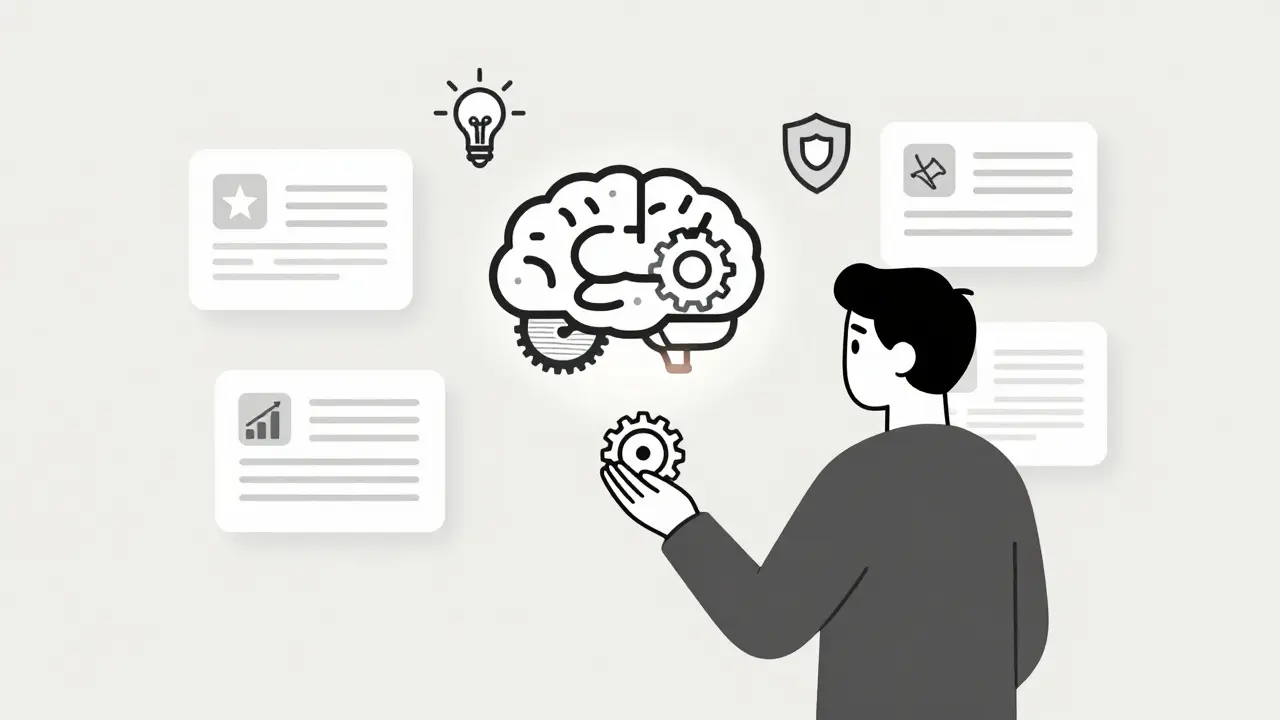
In 2025, AI stopped being a buzzword in DAOs - and started becoming a tool. AI agents now summarize long, jargon-heavy proposals into plain English. They analyze voting patterns to spot collusion or Sybil attacks (fake accounts trying to game the system). Some even simulate what happens if a proposal passes - like how a change in fee structure might affect liquidity or token prices.
But the real game-changer? AI delegates. Imagine an AI that learns your voting history - you always support privacy-focused upgrades, you avoid risky new tokens, you back developers who ship fast. That AI can then vote on your behalf, without you lifting a finger. It doesn’t just read proposals - it reads forum threads, tracks developer commits, and even compares past votes to predict outcomes. It’s not science fiction anymore. Several DAOs are testing this in private testnets.
And it’s not replacing humans. It’s helping them. Most people still want to vote. But now, they have tools to make better decisions faster.
Challenges Still Remain
None of this is perfect. Smart contract bugs have drained millions. A single glitch in a voting mechanism can let someone steal control of a treasury. And legal gray zones are everywhere. If you vote on a DAO proposal that funds a project later deemed illegal - are you liable? No one knows. Regulators are watching. Some countries are starting to treat governance tokens like securities.
Scalability is another problem. When a DAO has 100,000 members, how do you get everyone to agree? You can’t have 100,000 votes on every minor change. That’s why delegation and filtering tools are now essential. The best DAOs today aren’t trying to be fully direct democracies. They’re building representative systems - with accountability built in.
Where Governance Tokens Are Headed
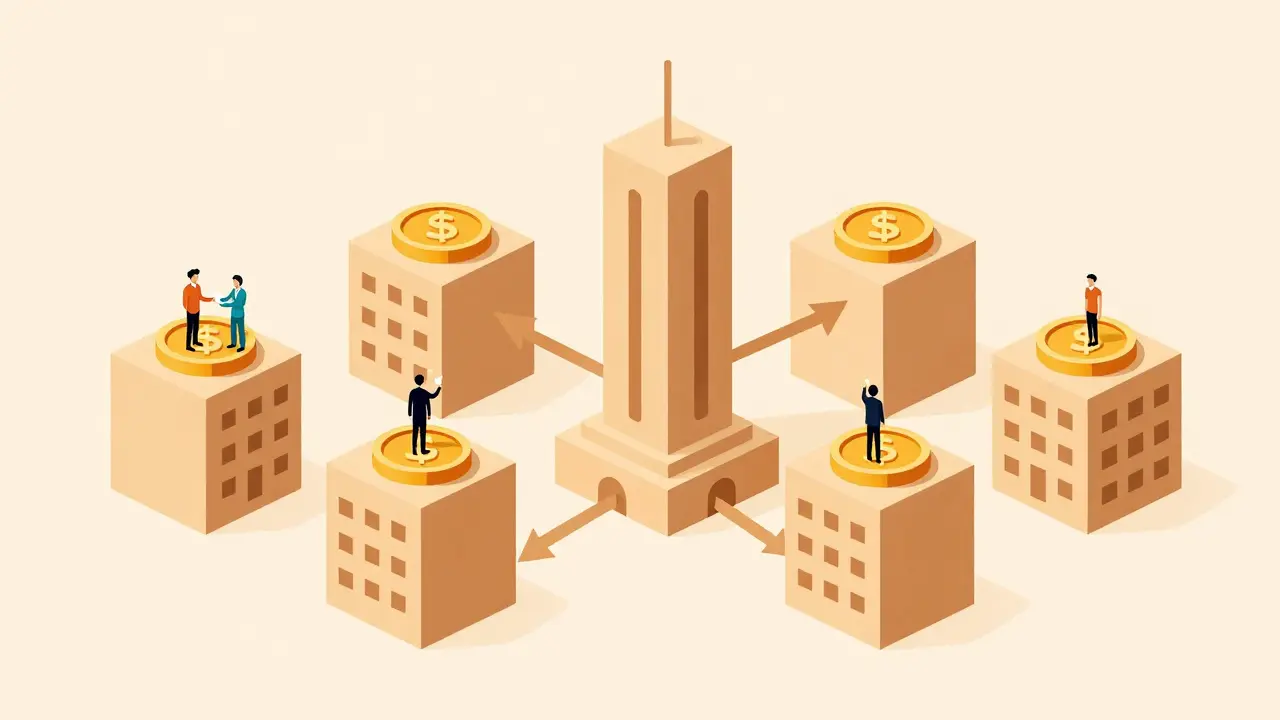
By 2026, governance tokens won’t just be for DeFi. They’re moving into NFTs, social networks, and even decentralized media. Imagine owning an NFT that gives you a vote on which artists get featured on a platform. Or joining a fan DAO that decides which music gets promoted. The line between ownership and influence is blurring.
And the incentives are getting smarter. Early airdrops - giving free tokens just for signing up - are fading. Those didn’t create long-term engagement. Now, protocols are tying voting rights to activity: contributing code, moderating forums, or helping new users. You earn influence by doing, not just holding.
Expect more cross-chain governance too. Right now, most DAOs live on Ethereum. But as users spread across Solana, Polygon, and others, governance systems will need to work across chains. That’s already happening in test form - and by 2027, it’ll be standard.
What This Means for You
If you’re holding any governance token - MKR, UNI, AAVE, COMP - you’re not just an investor. You’re a stakeholder. Your vote matters. Even if you think you don’t have enough tokens to make a difference, delegation changes that. Find a delegate whose values match yours. Check their track record. Watch how they vote. Then let them carry your voice.
If you’re building something decentralized, don’t just drop a token and call it a DAO. Build a system that rewards participation, filters noise, and protects against abuse. Use AI tools. Make voting easy. Make it transparent. Make it fair.
The future of governance isn’t about who has the most money. It’s about who shows up, who contributes, and who’s willing to learn. Governance tokens are the tool. The community is the engine. And in 2026, that engine is just getting started.
What is the main purpose of a governance token?
The main purpose of a governance token is to give holders voting rights over key decisions in a decentralized protocol. This includes changes to fees, treasury spending, protocol upgrades, and strategic direction. Unlike regular crypto tokens, governance tokens are designed to enable community control - not just speculation.
Can I vote without holding many tokens?
Yes. Many DAOs now use delegated voting, where you can assign your voting power to someone else - like a trusted community member or developer. You don’t need to vote yourself. You just need to choose a delegate who represents your interests. Some platforms even track delegate performance so you can see who’s active and reliable.
Are governance tokens legal?
The legal status of governance tokens is still unclear in most countries. Some regulators, like the U.S. SEC, have suggested that tokens with voting rights could be classified as securities if they’re sold as investments. Projects are starting to design governance systems with compliance in mind - limiting voting rights to active users, avoiding financial promises, and separating governance from profit-sharing. But the rules are still being written.
Why do some DAOs use AI in governance?
AI helps solve two big problems: information overload and low participation. AI tools can summarize long proposals, detect fake accounts, analyze voting trends, and even suggest how a vote might affect the protocol. Some DAOs are testing AI agents that vote on behalf of users based on their past behavior - acting like personal assistants for decentralized decision-making.
Do governance tokens have value beyond voting?
Yes. Many governance tokens also trade on exchanges and can be bought or sold like any other cryptocurrency. Some offer staking rewards or fee discounts. But their core value isn’t price - it’s influence. A token that lets you vote on a $100M treasury allocation is worth more than one that just pays 2% APY.
What’s the difference between governance tokens and regular crypto coins?
Regular crypto coins like Bitcoin or Ethereum are primarily used as money or stores of value. Governance tokens are designed for decision-making. You can’t pay for coffee with UNI or MKR - but you can vote on how Uniswap or MakerDAO operates. Their value comes from influence, not just scarcity or utility.
Can a DAO be hacked through its governance system?
Yes. If a malicious actor gains enough voting power - either by buying tokens or exploiting a flaw - they can pass harmful proposals. This has happened before. In 2022, a hacker used a flash loan to briefly borrow millions of tokens and voted to drain a DAO’s treasury. Since then, most DAOs have added time delays, emergency stops, and multi-signature safeguards to prevent rushed or forced votes.
How do I start participating in governance?
First, hold a governance token from a DAO you care about - like Uniswap, Aave, or Compound. Then, use a platform like Tally or Snapshot to view upcoming proposals. Read summaries, watch community discussions, and decide whether to vote directly or delegate your vote. Even one vote makes a difference. Start small. Learn how it works. Then get involved.