Future of Event Ticketing on Blockchain: NFTs and Smart Contracts
 Oct, 10 2026
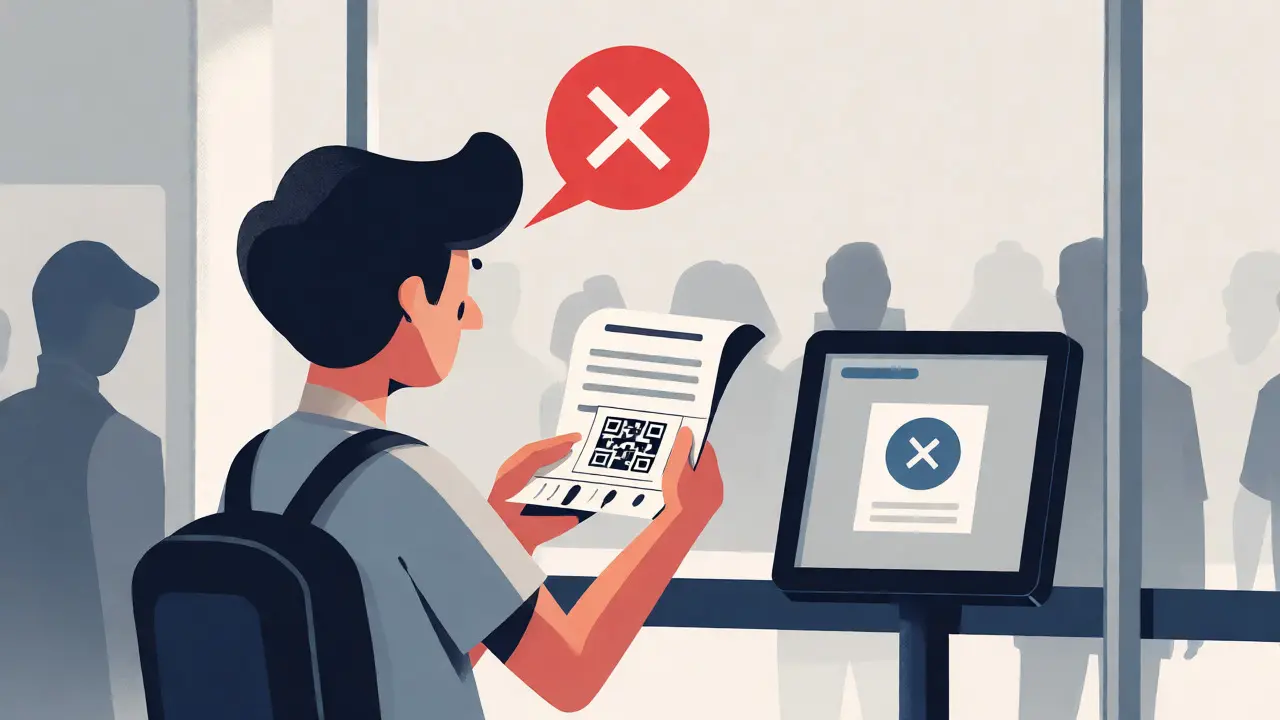
You bought a ticket for that sold-out concert months ago. You printed it out, kept it safe, and showed up early. But when you scanned the QR code at the gate, the screen flashed red. Someone else had used your ticket an hour earlier. You got scammed. This isn't just bad luck; it's a systemic failure in how we handle digital access rights. Traditional ticketing systems are centralized databases that can be hacked, duplicated, or manipulated by scalpers who buy up inventory before fans even see it. Blockchain ticketing is a decentralized approach to issuing and managing event tickets using distributed ledger technology to ensure uniqueness, transparency, and programmable resale rules. It’s not just about making tickets harder to fake; it’s about giving organizers control back from secondary markets and creating new revenue streams through smart contracts.
The industry is shifting fast. By late 2025, platforms like GUTS, B.A.M Ticketing, and Tixbase have moved blockchain from experimental pilots to practical deployments for major sports events and festivals. If you’re an event organizer, developer, or tech enthusiast, understanding where this technology fits-and where it doesn’t-is crucial. We aren’t talking about replacing every paper stub with a crypto wallet tomorrow. We’re talking about specific use cases where blockchain solves problems that traditional software simply cannot touch.
Why Traditional Ticketing Systems Fail
Before we look at the fix, let’s look at the bug. Most ticketing platforms today run on centralized servers. When you buy a ticket, you get a unique ID stored in a company’s database. The problem? That database is a single point of failure. Scalpers use bots to sweep these databases milliseconds after sales open, buying thousands of tickets and reselling them at inflated prices. Worse, counterfeiters can clone PDF tickets because a static file has no inherent proof of ownership history.
Consider the secondary market. In the traditional model, once a fan sells their ticket on StubHub or Viagogo, the original organizer sees zero revenue from that transaction. The value created by high demand leaks entirely to resellers. There is no mechanism to enforce a price cap or return a percentage of the profit to the artist or venue. This misalignment of incentives drives up costs for attendees while starving creators of fair compensation.
Then there’s the issue of trust. Verifying a ticket often requires trusting the issuer’s system integrity. If that system goes down during peak entry times, chaos ensues. Blockchain introduces a different paradigm: trustless verification. Instead of asking "Do I trust the server?", the system asks "Is this cryptographic signature valid on the public ledger?" This shift removes the middleman’s discretion and creates an immutable record of every transfer.
How NFT-Based Tickets Work
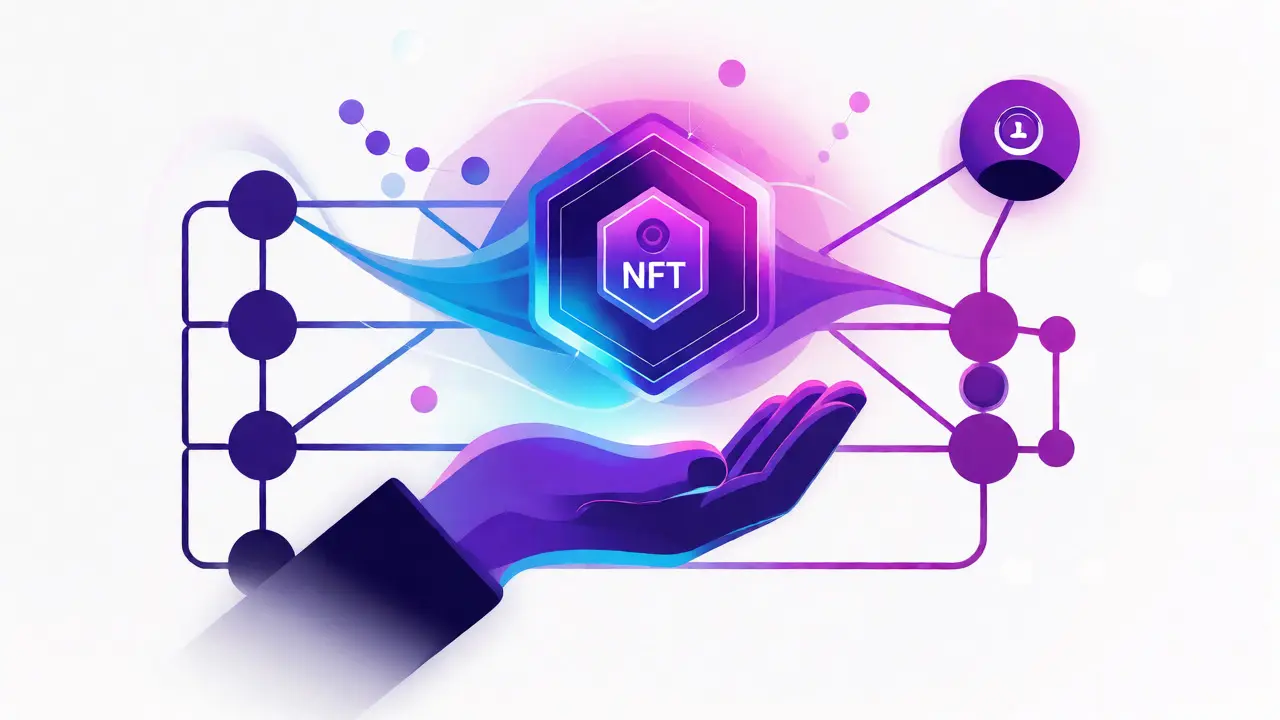
At the core of modern blockchain ticketing is the NFT (Non-Fungible Token). Unlike cryptocurrencies such as Bitcoin, which are fungible (one coin equals another), an NFT is unique. In the context of events, each ticket is minted as a distinct token on a blockchain network like Ethereum, Polygon, or Avalanche. This token holds metadata: the seat number, the date, the event ID, and crucially, the current owner’s wallet address.
When you buy an NFT ticket, you aren’t just downloading a file; you’re receiving a digital asset in your crypto wallet. Transferability is handled via smart contracts. A smart contract is self-executing code stored on the blockchain. For ticketing, these contracts encode the rules of engagement. For example, a contract can specify that a ticket can only be transferred if the seller pays a 10% royalty to the event organizer. This happens automatically upon sale. No invoices, no chasing payments, no legal disputes.
Verification becomes seamless. At the gate, the attendee presents a dynamic QR code generated from their wallet. The scanner checks the blockchain state to confirm two things: first, that the token exists and hasn’t been burned (used); second, that the person holding the private key matches the token’s current owner. Because the ledger is public and transparent, duplicate scans are impossible unless the system is deliberately designed to allow multi-entry passes, which are clearly marked as such.
Key Platforms Driving Adoption in 2026
The landscape isn’t dominated by one giant player yet. Different platforms serve different needs, ranging from small local venues to massive stadium tours. Here is how the leading solutions stack up against each other.
| Platform | Primary Focus | Technical Backbone | Key Feature |
|---|---|---|---|
| B.A.M Ticketing | Venues & Festivals | SaaS Model / Enterprise Blockchain | Full lifecycle control from creation to validation; robust royalty enforcement. |
| Tixbase | Sports & Large Events | Avalanche L1 Custom Chain | Rotating barcodes for security; mobile-only access; high throughput for stadium crowds. |
| Oveit | General Event Management | Hybrid Blockchain/Web2 | Integration with RFID and crypto payments; multi-gate check-in support. |
| GUTS | Music & Arts | Ethereum/Polygon | Community-focused; integrates with fan loyalty programs and exclusive drops. |
Tixbase stands out for its technical customization. They built their own Layer-1 blockchain on Avalanche specifically for ticketing. Why build a custom chain? Speed and cost. Public chains like Ethereum can suffer from congestion and high gas fees. A dedicated chain allows Tixbase to process thousands of transactions per second with negligible fees, critical for a stadium letting 50,000 people in within an hour. Their implementation at the Copa América de Béisbol 2025 demonstrated that blockchain can handle real-world pressure without bottlenecks.
B.A.M Ticketing takes a more holistic approach. They operate as a Software-as-a-Service provider, meaning they don’t just sell you the tech; they manage the workflow. Their platform is ideal for organizations that want deep integration into existing box office systems. They emphasize "controlled secondary sales," ensuring that if a fan wants to resell, they do so through an approved marketplace where the organizer sets the max price. This prevents the wild speculation that plagues traditional resale sites.
Real-World Use Cases and Success Stories
Theoretical benefits are nice, but results matter. Let’s look at where this technology has actually worked.
Coachella remains the most famous case study. In 2022, they launched "Coachella Keys," a collection of lifetime passes issued as NFTs. These weren’t just tickets; they were status symbols. Holders got annual access plus VIP perks like dinners with artists. While general admission tickets haven’t fully migrated to NFTs for all attendees, Coachella’s continued experimentation with NFT-based VIP access in 2024 shows that big brands are testing the waters carefully. They use blockchain to create exclusivity and community, not just to replace paper.
Sports events benefit immensely from anti-scalping measures. With Tixbase’s rotating barcodes, a screenshot of a ticket is useless. The barcode changes every few seconds based on a cryptographic algorithm tied to the user’s device. This stops scalpers from selling the same screenshot to ten different people. For teams like those in the MLB or European football leagues, this ensures that genuine fans get seats, and the club captures revenue from every resale.
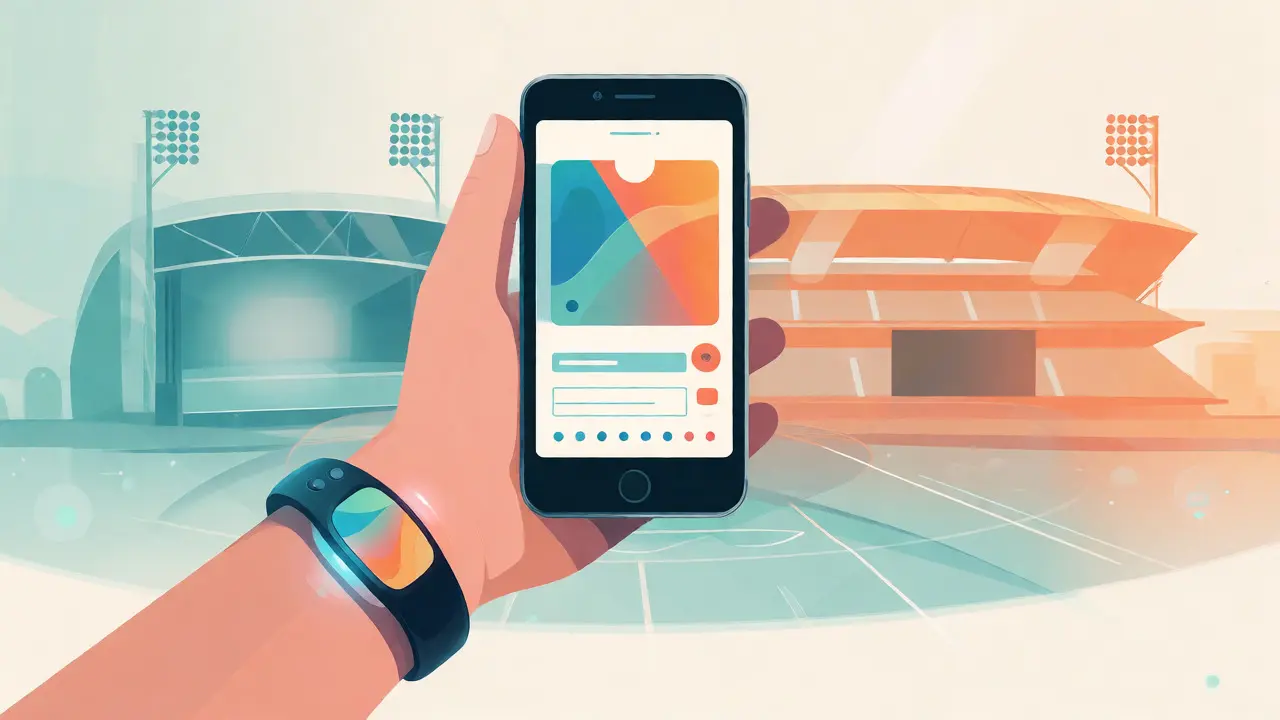
Smaller niche events also find value. Themed attractions, hobby farms, and seasonal festivals use blockchain to tokenize unique experiences. Imagine a Halloween event where your ticket is an NFT that grants you access to a secret room or unlocks a digital collectible after the event. This extends the life of the ticket beyond the day of the event, turning a consumable service into a lasting digital memory. Platforms like Oveit facilitate this by integrating with RFID wristbands, allowing cashless spending inside the venue linked directly to the ticket holder’s profile.
Challenges and Barriers to Entry
It’s not all smooth sailing. The biggest hurdle isn’t technology; it’s usability. Asking a casual music fan to set up a MetaMask wallet, understand gas fees, and protect a seed phrase is a high barrier. Many attendees are intimidated by crypto terminology. If the checkout process feels complicated, conversion rates drop.
To combat this, successful platforms hide the complexity. Users might not know they’re interacting with a blockchain. They log in with an email, pay with a credit card, and receive a ticket in a branded app. Behind the scenes, the platform manages the wallet keys and blockchain interactions. This "custodial" approach bridges the gap between Web2 ease-of-use and Web3 security. However, purists argue that true decentralization requires users to hold their own keys. Finding the balance between convenience and sovereignty is the ongoing design challenge.
Another concern is environmental impact. Early blockchains used Proof-of-Work consensus mechanisms, which consumed vast amounts of energy. Modern networks like Polygon, Avalanche, and Solana use Proof-of-Stake or similar efficient models, reducing the carbon footprint of a ticket transaction to near zero. Still, public perception lags behind reality, requiring clear communication about sustainability.
The Hybrid Future: Coexistence, Not Replacement
Don’t expect physical tickets to vanish overnight. The future is hybrid. Large-scale festivals may continue using traditional digital tickets for general admission due to volume constraints, while reserving blockchain for VIP tiers, merchandise bundles, or lifetime memberships. This tiered approach allows organizers to experiment with blockchain features-like royalties and dynamic pricing-without disrupting the mass-market experience.
We are also seeing the rise of "phygital" tickets. These combine a physical souvenir (like a metal pin or NFC chip) with a digital NFT twin. The physical item serves as a tangible reminder, while the digital token provides utility and provenance. This appeals to collectors and super-fans who value both the object and the digital record.
Ultimately, blockchain ticketing is about data ownership. Today, your purchase history belongs to Ticketmaster or AXS. Tomorrow, with blockchain, your ticket portfolio belongs to you. You can take it anywhere, trade it freely, and prove your attendance history across different platforms. This interoperability could unlock new loyalty ecosystems where attending five concerts on different platforms earns you a cross-platform reward.
Are blockchain tickets safer than traditional ones?
Yes, primarily because they eliminate duplication. Each ticket is a unique cryptographic token on a distributed ledger, making counterfeiting virtually impossible. Additionally, the transfer history is transparent, preventing unauthorized resales and ensuring the ticket reaches the actual attendee.
Do I need a crypto wallet to buy a blockchain ticket?
Not necessarily. Many platforms offer custodial wallets where the ticket is stored in an app linked to your email. You can pay with standard credit cards. However, having a personal crypto wallet gives you full ownership and the ability to trade the ticket independently of the platform.
How do organizers make money from resales?
Smart contracts automatically enforce royalty fees. When a ticket is resold, the code dictates that a percentage (e.g., 10%) of the sale price is sent directly to the organizer’s wallet. This happens instantly and transparently, capturing value that traditionally leaked to third-party resellers.
What happens if my phone dies at the entrance?
Most blockchain ticketing apps cache the ticket locally or provide a backup method, such as a printed receipt with a static QR code linked to the backend, or an NFC-enabled wristband. Organizers typically have offline verification protocols to handle connectivity issues or dead batteries.
Is blockchain ticketing expensive for attendees?
Transaction fees (gas) vary by network. Networks like Polygon and Avalanche have very low fees, often less than a cent. Major platforms often absorb these costs or bundle them into the ticket price to keep the user experience smooth. High-fee networks like Ethereum mainnet are less common for standard tickets due to cost.