How Colombians Access Crypto Exchanges: Navigating the Real Regulatory Landscape
 Aug, 7 2026
There is a persistent myth that accessing cryptocurrency in Colombia requires digging through layers of bureaucratic red tape or using shady workarounds to bypass government bans. You might hear stories about citizens needing complex VPN setups or relying on underground peer-to-peer networks because local banks have shut the door on digital assets. But if you look at the actual data from 2025 and early 2026, this picture is completely upside down. The reality is not one of restriction, but of rapid formalization. Over five million Colombians are actively trading crypto, moving nearly $7 billion in assets last year alone. So, how do they actually do it? The answer lies in understanding the shift from a "grey area" to a structured, albeit strict, regulatory environment.
The Myth of Total Prohibition
To understand how people access exchanges today, we first have to dismantle the idea that crypto is illegal in Colombia. It isn't. In fact, the country has become a regional hub for adoption, ranking fifth in Latin America according to Chainalysis data. The confusion often stems from how traditional financial institutions handle these assets. For years, major banks were hesitant. They weren't banned from interacting with crypto by law, but they were terrified of anti-money laundering (AML) fines. This created a practical barrier: you could buy Bitcoin, but your bank account might get flagged if you sent money to an unregulated exchange.
This fear-based friction led many users to believe access was restricted. In truth, the barrier was compliance risk, not legal prohibition. As the regulatory framework matured, specifically with the involvement of the Financial Superintendency of Colombia (SFC), these barriers began to dissolve. Today, accessing crypto is as simple as opening an account on a compliant platform, provided you follow the Know Your Customer (KYC) protocols. The "restriction" was never a ban; it was a demand for identity verification that many casual users found cumbersome until local platforms made it seamless.
Local Giants and Institutional Adoption
The biggest game-changer for accessibility wasn't a new law, but the entry of trusted local players. When Bancolombia, one of the largest banks in the region, launched its crypto exchange arm, Wenia, it signaled a massive shift. Suddenly, millions of Colombians who already had banking apps could access crypto without leaving their familiar ecosystem. Wenia didn't just offer trading; it introduced the COPW stablecoin, a digital token pegged to the Colombian Peso. This allowed users to hold value digitally without the volatility of Bitcoin or Ethereum, making it easier for everyday transactions and savings.
Alongside Wenia, other local platforms like LuloX gained traction. These platforms operate under strict supervision, meaning they integrate directly with Colombian banking rails. Users can fund their accounts via PSE (the national electronic payments system), debit cards, or bank transfers. This integration removes the need for international wire transfers or credit card limits that often blocked access to global exchanges like Binance or Coinbase in the past. If you are in Bogotá, Medellín, or Cali, you likely have direct PSE access to these local exchanges, making the onboarding process take less than ten minutes.
| Method | Ease of Access | Regulatory Status | Best For |
|---|---|---|---|
| Local Exchanges (Wenia, LuloX) | High (PSE/Bank Transfer) | Fully Compliant | Daily trading, beginners, peso stability |
| Global Exchanges (Binance, Kraken) | Medium (Card/P2P required) | Grey Area / Self-Reporting | Advanced traders, diverse asset selection |
| Peer-to-Peer (P2P) | Low (Manual negotiation) | Unregulated | Large amounts, privacy-focused users |
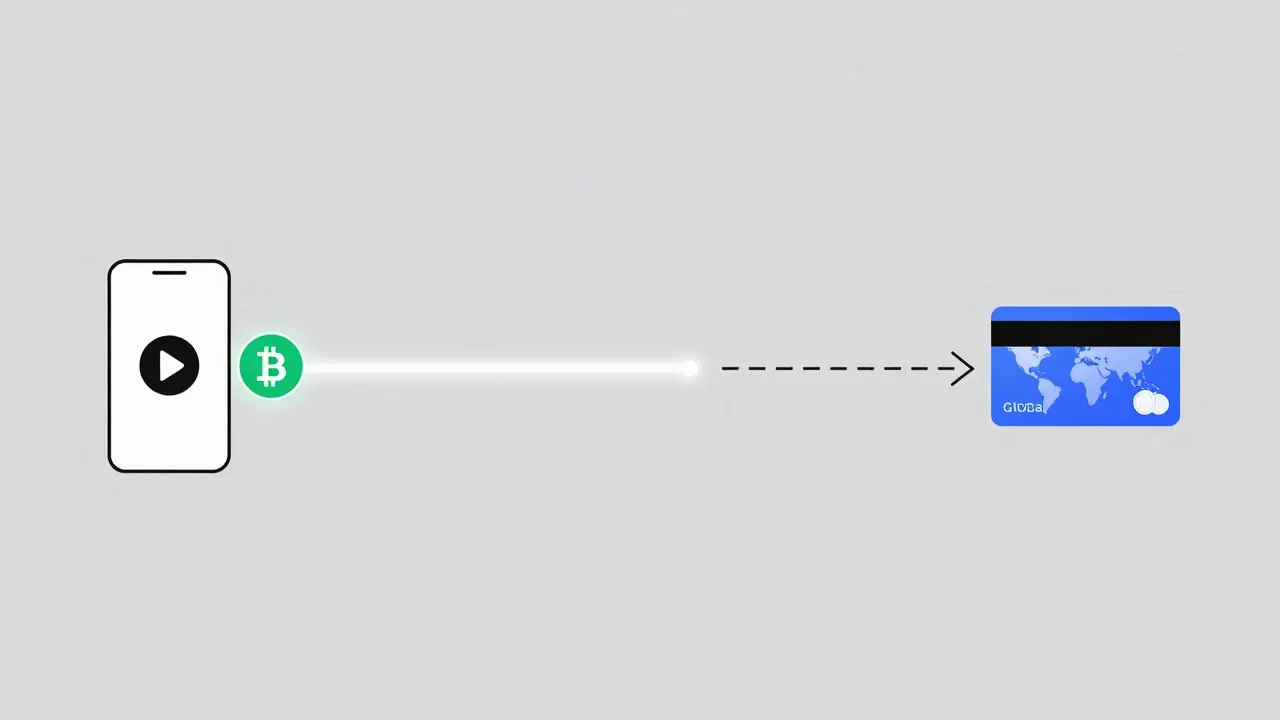
| Crypto Debit Cards | High (Spend directly) | Compliant (via PSPs) | Spending crypto at merchants |
Navigating the Compliance Hurdles
While access is open, it is not anonymous. The primary "restriction" Colombians face is rigorous identification. To use any reputable exchange, you must complete KYC procedures. This involves uploading your cédula (national ID) and undergoing facial recognition checks. Why is this so strict? Because the Financial Intelligence Unit (UIAF) monitors all financial flows. Payment Service Providers (PSPs) must report suspicious transactions, particularly those exceeding USD 150, to prevent money laundering and terrorist financing.
In 2024, fines for non-compliance exceeded USD 1.5 million for various fintechs. This pressure trickled down to users. If you try to move large sums without proper documentation, your account will be frozen. This isn't a government conspiracy; it's standard global financial hygiene. However, for the average user, this means keeping your tax records straight. The Superintendencia de Industria y Comercio and tax authorities now expect crypto gains to be reported. Ignoring this doesn't stop you from buying crypto, but it puts you at risk of audits later. The key to smooth access is treating crypto like any other investment: document everything.
The Role of Bill 510 and Future Regulations
Looking ahead, the landscape is becoming even clearer thanks to legislative action. Bill 510 of 2025, which passed its first debate, aims to formally regulate Virtual Asset Service Providers (VASPs). Introduced by Senator Gustavo Moreno and Representative Julián López, this bill moves the industry out of the regulatory sandbox and into clear legal territory. For users, this means greater consumer protection. Currently, if an exchange goes bankrupt, your recourse is limited. Under the new framework, VASPs will be required to maintain certain capital reserves and insurance standards.
This legislation also clarifies the status of mining. Cryptocurrency mining is explicitly legal in Colombia, provided operators meet environmental and energy efficiency standards. This has sparked a boom in mining operations, particularly in regions with lower electricity costs. While this doesn't directly affect how you buy Bitcoin on an app, it strengthens the overall infrastructure, leading to more liquidity and potentially lower fees for traders as domestic market depth increases.
Tax Implications: The Hidden Cost of Access
Accessing crypto is easy; staying out of trouble with the tax man is where it gets tricky. In Colombia, crypto assets are treated as financial operations. This means capital gains from trading are subject to income tax. If you are a casual investor, your profits may fall under the general personal income tax regime. However, if you trade frequently enough to be considered a business activity, corporate tax rates apply. There is no specific "crypto tax" rate yet, which creates ambiguity. Many users rely on accountants specializing in digital assets to categorize their trades correctly.
It is crucial to distinguish between holding and trading. Simply holding Bitcoin does not trigger a tax event. Selling it for pesos or another crypto does. The DIAN (National Tax and Customs Directorate) has increased its focus on cross-border transactions. If you use a foreign exchange like Binance, ensure you declare these holdings in your annual tax return. Failure to do so can result in penalties that far exceed the convenience of using an offshore platform.
Practical Steps for New Users
If you are new to the space and wondering how to start without hitting a wall, here is the straightforward path:
- Choose a Local Platform: Start with Wenia or LuloX. They support PSE deposits, which are instant and free. This avoids credit card rejection issues common with international merchants.
- Complete Full KYC: Don't skimp on verification. Upload high-quality photos of your ID. Use a quiet room for video verification. Speed up this process to unlock higher withdrawal limits.
- Understand the Fees: Local exchanges often charge a spread on the buy/sell price rather than a flat fee. Compare the total cost including network fees if you plan to withdraw to a private wallet.
- Keep Records: Download monthly statements from your exchange. Use software or spreadsheets to track your cost basis. This will save you hours during tax season.
- Secure Your Assets: For long-term holds, consider moving coins to a hardware wallet. While exchanges are insured, not all are equally secure. Diversify your storage strategy.
Why Global Exchanges Are Still Popular
Despite the rise of local options, many Colombians still use global giants like Binance or Kraken. Why? Selection and features. Local platforms primarily offer Bitcoin, Ethereum, and perhaps a few major altcoins. Global exchanges offer hundreds of tokens, staking opportunities, and advanced trading tools like futures and margin trading. To access these, users typically link a Visa or Mastercard. While some banks block these transactions, most allow them if the merchant category code is recognized. Alternatively, users engage in P2P trading within these platforms, selling pesos to other Colombians in exchange for USDT, then converting that to other assets. This method bypasses bank restrictions entirely but requires vigilance against scams.
The choice between local and global depends on your goals. If you want simplicity and safety, go local. If you want variety and advanced tools, go global, but be prepared to manage your own compliance and security.
Is cryptocurrency legal in Colombia?
Yes, cryptocurrency is legal in Colombia. It is not considered legal tender (money), but it is recognized as a valid financial asset. Mining is also legal under specific regulatory guidelines. The government focuses on regulating service providers rather than banning usage.
Can I buy Bitcoin with my Colombian bank account?
Yes. You can buy Bitcoin using local exchanges like Wenia or LuloX, which accept PSE transfers and debit cards. Some traditional banks may restrict direct transfers to international crypto exchanges due to internal risk policies, but local regulated platforms integrate seamlessly with the banking system.
Do I have to pay taxes on crypto gains in Colombia?
Yes. Capital gains from cryptocurrency trading are subject to income tax. The rate depends on whether the activity is classified as personal investment or a business operation. It is essential to report these gains in your annual tax declaration to avoid penalties from the DIAN.
What is Bill 510 of 2025?
Bill 510 of 2025 is a legislative proposal aimed at formally regulating Virtual Asset Service Providers (VASPs) in Colombia. It seeks to provide legal certainty for businesses and stronger consumer protections for users, moving the industry away from a "grey area" status.
Are there any restrictions on crypto mining in Colombia?
Mining is legal but regulated. Operators must register with authorities, comply with environmental standards, and adhere to energy consumption guidelines. The goal is to ensure that mining contributes positively to the economy without straining local resources.