How OFAC Sanctions Changes Affect Syrian Crypto Users in 2026
 Apr, 24 2026
For over two decades, trying to use a digital wallet or trade on a major exchange in Syria was like trying to navigate a minefield. If you were a Syrian resident, you weren't just fighting unstable internet or local banking hurdles; you were up against the full weight of the U.S. Treasury. But things changed drastically in 2025. The blanket bans that once made almost every transaction with a U.S. person or platform illegal have been dismantled, replaced by a system that targets bad actors rather than the entire population. For the average Syrian OFAC sanctions Syria users, this means the doors to the global crypto economy are finally swinging open, though there are still a few locked gates to watch out for.
The Big Shift: From Blanket Bans to Targeted Rules
To understand where we are now, you have to look at where we were. Since 2004, the U.S. used a series of executive orders to basically wall off Syria from the American financial system. If you were using a U.S.-based exchange, you risked asset freezing or massive civil penalties-we're talking up to $20 million. It was a "guilty until proven innocent" environment for anyone with a Syrian IP address.
Everything flipped on June 30, 2025, when Executive Order 14312 was signed. This wasn't just a minor tweak; it revoked six foundational orders and ended the national emergency that had fueled those restrictions for 21 years. By August 26, 2025, the Office of Foreign Assets Control (or OFAC) officially removed the Syrian Sanctions Regulations (SySR) from the books. This effectively ended the era of comprehensive economic isolation.
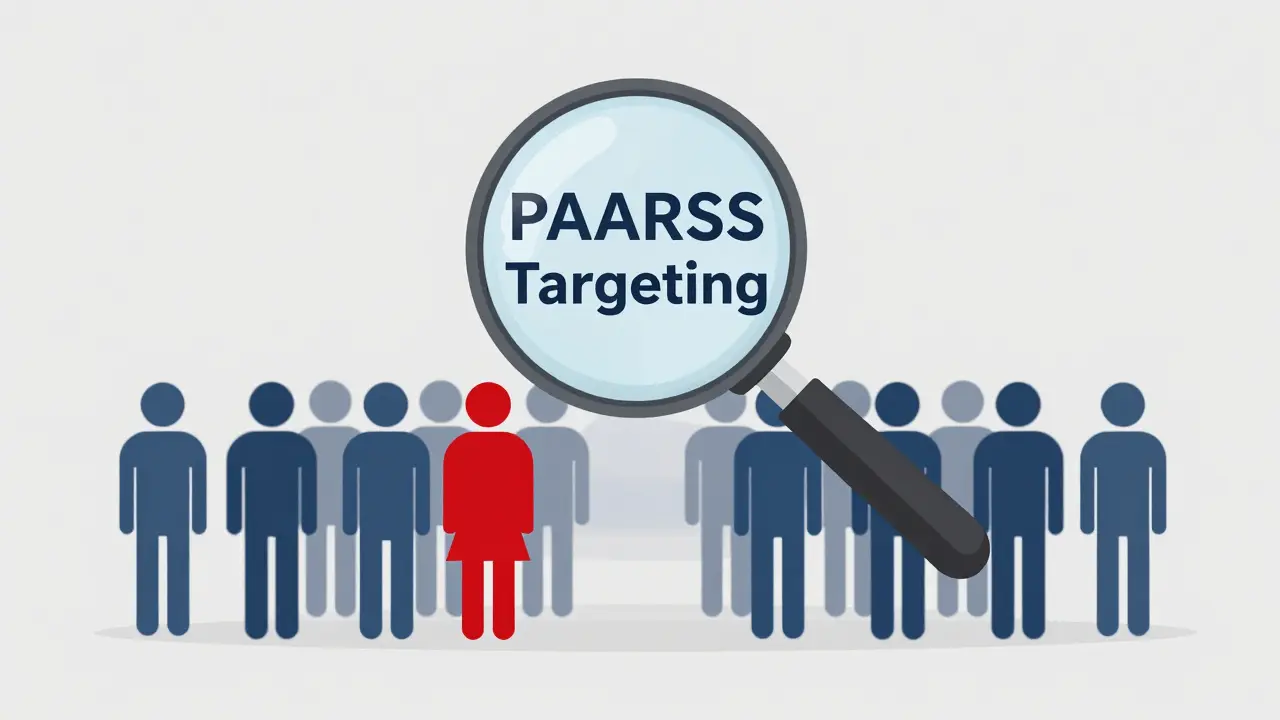
Now, the game has changed. The program was rebranded on September 24, 2025, to the Promoting Accountability for Assad and Regional Stabilization Sanctions Regulations, known as PAARSS. The goal is no longer to stop all money from moving, but to stop money from moving to the wrong people.
What This Actually Means for Syrian Users
If you're a regular person in Syria just looking to hedge against inflation or send money to family, the landscape is much friendlier. The introduction of General License 25 is the real game-changer here. Issued in May 2025, this license provides a legal pathway for Syrian users to interact with U.S.-based cryptocurrency exchanges and wallet providers.
Here is a breakdown of the practical changes:
- Account Access: You can now legally sign up for services that were previously blocked, provided you aren't on a restricted list.
- Direct Transactions: The blanket prohibition on transactions between U.S. persons and Syrians is gone.
- Delisting: OFAC removed 518 individuals and entities from the SDN List (Specially Designated Nationals). If you or your business were on that list under the old rules, you might find the doors to DeFi protocols and exchanges are now open.
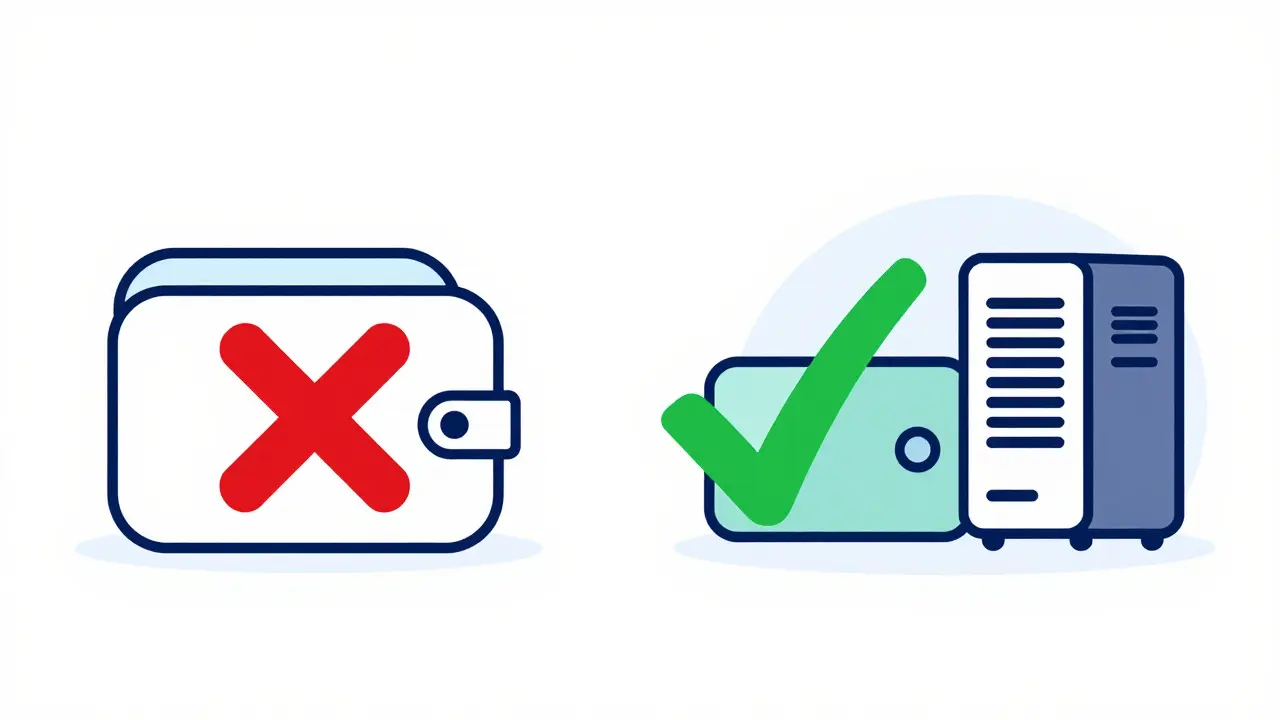
- Hardware Availability: Thanks to the Bureau of Industry and Security's "Syria Peace and Prosperity" (SPP) exception, it's now legal to export EAR99 items. In plain English? Buying high-end mining rigs or blockchain servers is no longer a legal nightmare.
The Compliance Trap: Why Some Exchanges Still Say "No"
You might be wondering why some platforms still block Syrian users even though the laws changed. This is called "over-compliance." Many crypto companies are terrified of making a mistake. Because PAARSS still targets over 100 individuals linked to the Bashar al-Assad regime, human rights abusers, and Captagon traffickers, exchanges have to be incredibly precise.
It's much easier for a company to block all Syrian traffic than to build a sophisticated screening system that can tell the difference between a university student in Damascus and a sanctioned regime official. This creates a gap where the law says "yes," but the company's risk department says "no." To get around this, users are finding that platforms using advanced KYC (Know Your Customer) tools-those that can verify identity beyond just an IP address-are more likely to accept Syrian customers.
| Feature | Pre-July 2025 (SySR) | Post-July 2025 (PAARSS) |
|---|---|---|
| U.S. Exchange Access | Generally Prohibited | Authorized (via GL 25) |
| Hardware Imports | Strict Licensing Required | Authorized (via SPP Exception) |
| Penalty Risk | Extreme (Blanket Ban) | Targeted (SDN List only) |
| Regulatory Focus | Economic Isolation | Individual Accountability |
Navigating the Remaining Red Flags
While the big walls are down, there are still tripwires. If you are dealing with entities linked to Iran, ISIS, or Al-Qa'ida, you are still in the danger zone. The Global Terrorism Sanctions Regulations are still very much alive and well. This means that while your general crypto activity is legal, any link to a designated terrorist organization will trigger an immediate freeze of your funds.
Another point of caution is the Caesar Syria Civil Protection Act. While the State Department has issued a 180-day waiver to help infrastructure and investment, this is a temporary measure. Businesses building crypto infrastructure in Syria should keep a close eye on whether these waivers are renewed, as they provide the legal cover for larger investments.
For the individual user, the best strategy is transparency. Using platforms that encourage full identity verification rather than trying to hide your location with a VPN can actually be safer now. When you hide your location, you look like a high-risk user trying to evade sanctions. When you provide a clean ID and show you aren't on the SDN list, you're utilizing the legal pathways created by the new regulations.
Looking Ahead: Syria as a Global Test Case
What's happening in Syria is more than just a policy change for one country; it's a test for the entire world. The U.S. is trying to prove that it can surgically remove "bad actors" from the financial system without hurting the civilian population. This "precision targeting" is a huge shift from the 2000s, where the goal was often to crush an economy to force political change.
As OFAC continues to refine the PAARSS framework and update 31 C.F.R. Part 569, we can expect more guidance. This could mean even easier on-ramps for Syrian users or, conversely, more stringent reporting requirements for exchanges. For now, the era of operating through underground channels or offshore shells is fading. The future for Syrian crypto users is one of integration, provided they stay clear of the targeted SDN lists.
Can Syrian citizens now legally use Coinbase or Kraken?
Legally, yes. General License 25 provides the authorization for Syrian users to engage with U.S.-based services. However, individual companies still have their own internal risk policies. Some may still block Syrian users to avoid the cost of sophisticated screening, but the legal barrier from the U.S. government has been removed.
What happens if I am on the SDN list?
If you are on the Specially Designated Nationals (SDN) list, you are still heavily sanctioned. Your assets can be frozen, and U.S. persons (including exchanges) are prohibited from dealing with you. The 2025 relief was for the general population, not for those specifically designated as threats or regime affiliates.
Is it legal to import Bitcoin mining hardware to Syria now?
Yes. The Bureau of Industry and Security (BIS) created the License Exception Syria Peace and Prosperity (SPP), which allows the export of EAR99 items (which includes most commercial crypto hardware) to Syria without needing a specific individual license.
What is the difference between SySR and PAARSS?
SySR (Syrian Sanctions Regulations) was a comprehensive program that blocked almost all financial activity with Syria. PAARSS (Promoting Accountability for Assad and Regional Stabilization Sanctions Regulations) is a targeted program that only blocks specific individuals and entities tied to the regime or terrorism, allowing the general public to access financial services.
Do I need a VPN to access crypto services in Syria now?
While some users still use VPNs for privacy, you no longer need one to avoid breaking U.S. law. In fact, using a VPN to hide your Syrian identity from a compliant exchange might trigger a "suspicious activity" flag. Being honest about your residency and providing valid ID is now the legally supported path.