How Turkish Citizens Trade Crypto Despite Payment Ban
 Sep, 3 2026
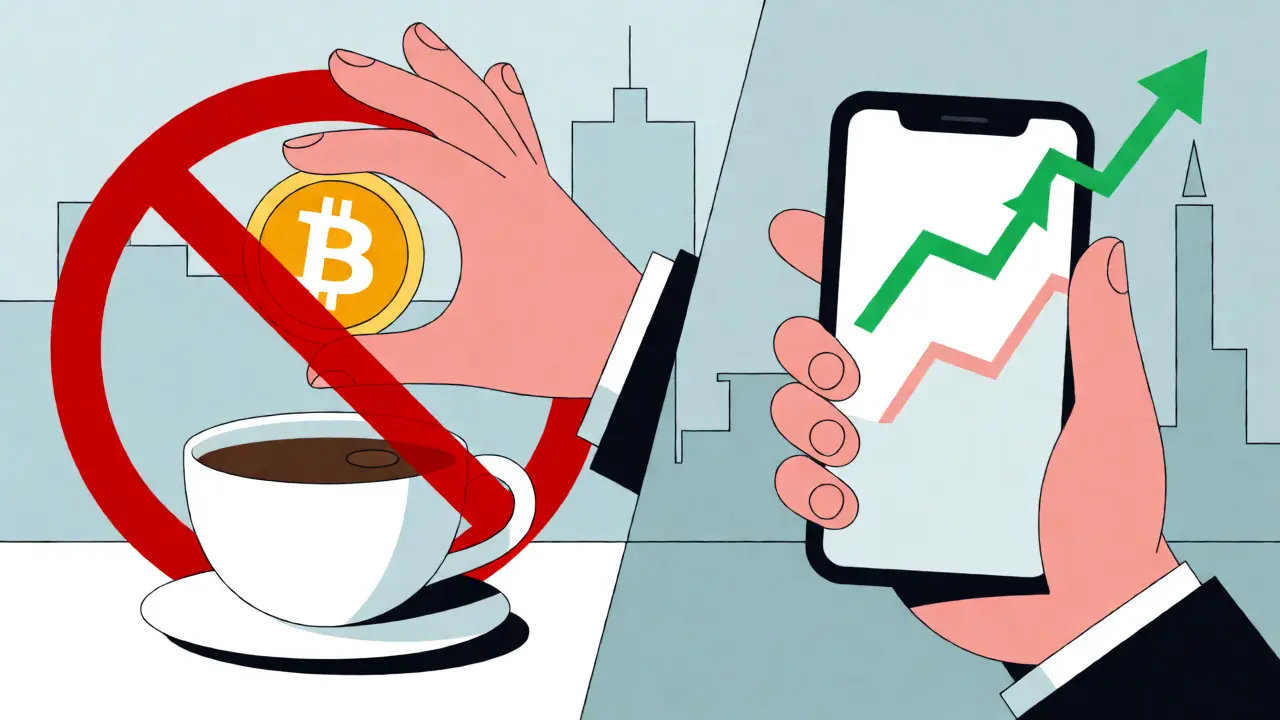
Imagine living in a country where you can buy Bitcoin with your credit card but cannot use it to buy a cup of coffee. That is the reality for millions of people in Turkey. Since April 2021, the Central Bank of the Republic of Turkey (CBRT) has banned using cryptocurrency for payments. Yet, if you walk through Istanbul or scroll through Turkish social media, you will see that crypto trading is thriving. How do they do it? The answer lies in a clever mix of legal loopholes, technical workarounds, and a resilient market culture that refuses to be stopped by regulation.
The core confusion often stems from misunderstanding what was actually banned. The government did not make holding or trading crypto illegal. They only prohibited its use as a medium of exchange. This distinction is everything. It means you can legally buy Ethereum on an app, hold it in your wallet, and sell it later for profit. You just cannot hand over digital coins to pay for groceries. As of September 2026, this regulatory gap has created one of the most active and innovative crypto markets in the world, ranking Turkey 7th globally in adoption volume according to recent Chainalysis data.
The Legal Framework: Trading vs. Paying
To understand how trading survives, you have to look at the specific rules set by the Capital Markets Board (CMB). In early 2025, new regulations tightened the screws on identity verification. Any transaction exceeding 15,000 Turkish lira (roughly $425) now requires strict KYC (Know Your Customer) checks. For smaller transactions, the process is faster, but the surveillance net is wider than ever.
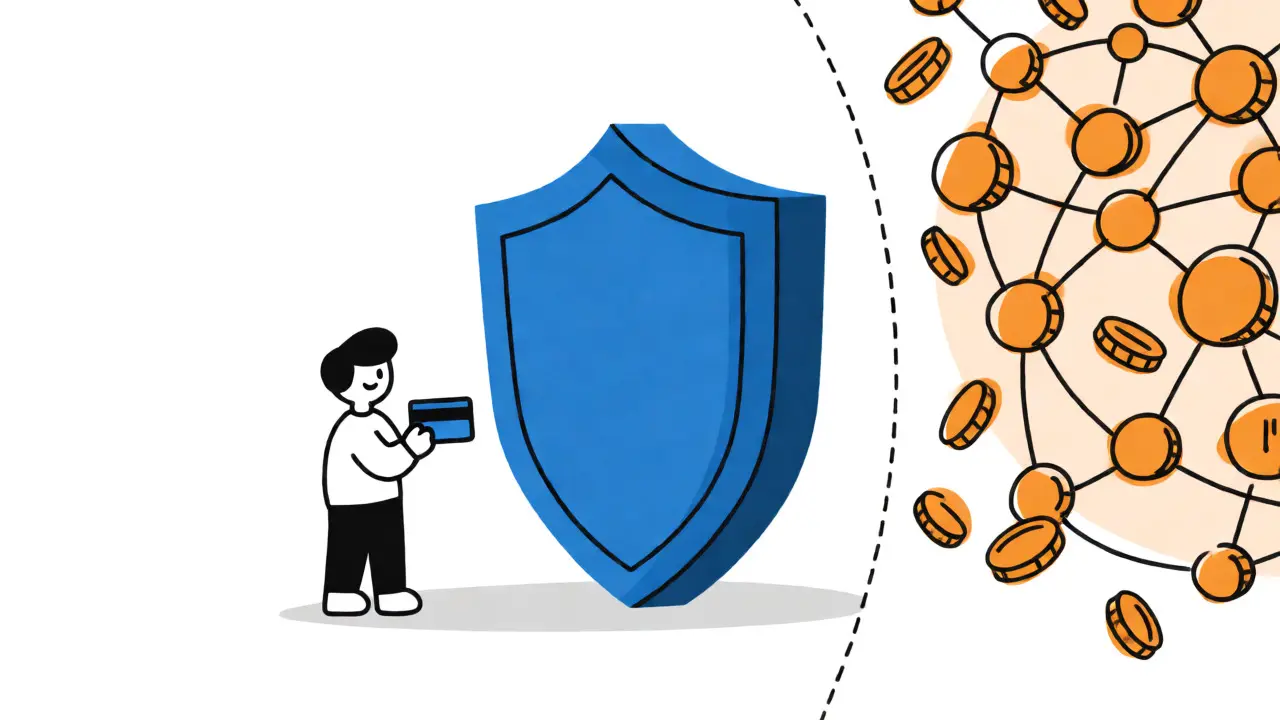
Turkish crypto trading operates under a dual system. On one side, you have licensed centralized exchanges like Paribu and Binance TR, which are fully regulated and compliant with local laws. These platforms offer safety and legal recourse but come with higher fees and strict limits. On the other side, there is the "shadow" market of peer-to-peer (P2P) trades and decentralized exchanges (DEXs), which operate with less oversight and more anonymity.
This split creates two distinct user experiences. If you want to sleep well at night knowing your money is protected by law, you stick to the licensed apps. If you want access to thousands of obscure tokens or want to avoid banking scrutiny, you venture into the unregulated zones. Most savvy users do both, switching between worlds depending on their needs.
Licensed Exchanges: The Safe Harbor
For the majority of beginners, licensed exchanges are the entry point. Platforms like Paribu, Bitlo, and Binance TR dominate this space. They control about 72% of the compliant market volume. Why choose them? Simplicity and security. You link your bank account, verify your ID, and trade directly in Turkish Lira (TRY).
- Fees: Typically range from 0.05% to 0.25%, which is competitive globally.
- Speed: Withdrawals to Turkish banks usually take under two hours.
- Compliance: Full adherence to Anti-Money Laundering (AML) laws, meaning fewer surprises from tax authorities.
However, these platforms have limits. Once you hit the monthly threshold of 15,000 TL without additional verification layers, your account might get flagged. Users often report having to upload extra documents or face temporary freezes while the Financial Crimes Investigation Board (MASAK) reviews their activity. This friction drives many experienced traders away from the easy path.
The Rise of Peer-to-Peer (P2P) Trading
If licensed exchanges feel too restrictive, P2P trading is the popular alternative. This method involves buying crypto directly from another person rather than from an exchange’s liquidity pool. Platforms like LocalBitcoins and various Telegram-based groups have seen massive growth, with some reporting over 200% increases in Turkish user activity since 2021.
How does it work in practice? Let’s say you want to buy Bitcoin. You find a seller who accepts a direct bank transfer. You send the TRY from your personal bank account to theirs, and they release the BTC to your wallet. No exchange holds your funds during the swap. This bypasses the need for the exchange to act as a merchant, thus avoiding the payment ban technically.
| Feature | Licensed Exchange (e.g., Paribu) | P2P Platform (e.g., LocalBitcoins) | Decentralized Exchange (DEX) |
|---|---|---|---|
| Regulatory Status | Fully Compliant | Grey Area / User Responsibility | Technically Unregulated |
| Anonymity | Low (Full KYC) | Medium (Bank details shared) | High (Wallet address only) |
| Fees/Premium | 0.05% - 0.25% | 0.5% - 2% Premium | Gas Fees + Swap Fees |
| Token Variety | Limited to Listed Assets | Major Coins Only | Unlimited (On-chain) |
| Risk Level | Low | Medium (Counterparty Risk) | High (Smart Contract Risk) |
The catch with P2P is the premium. Because sellers take on risk and effort, they often charge 1-2% above the market rate. Also, you must trust the other party. Scams happen, though reputable platforms have escrow services to protect both sides. A common trick used by pros is splitting large purchases across multiple accounts held by family members to stay under the radar of automated monitoring systems.
Technical Workarounds: VPNs and DeFi
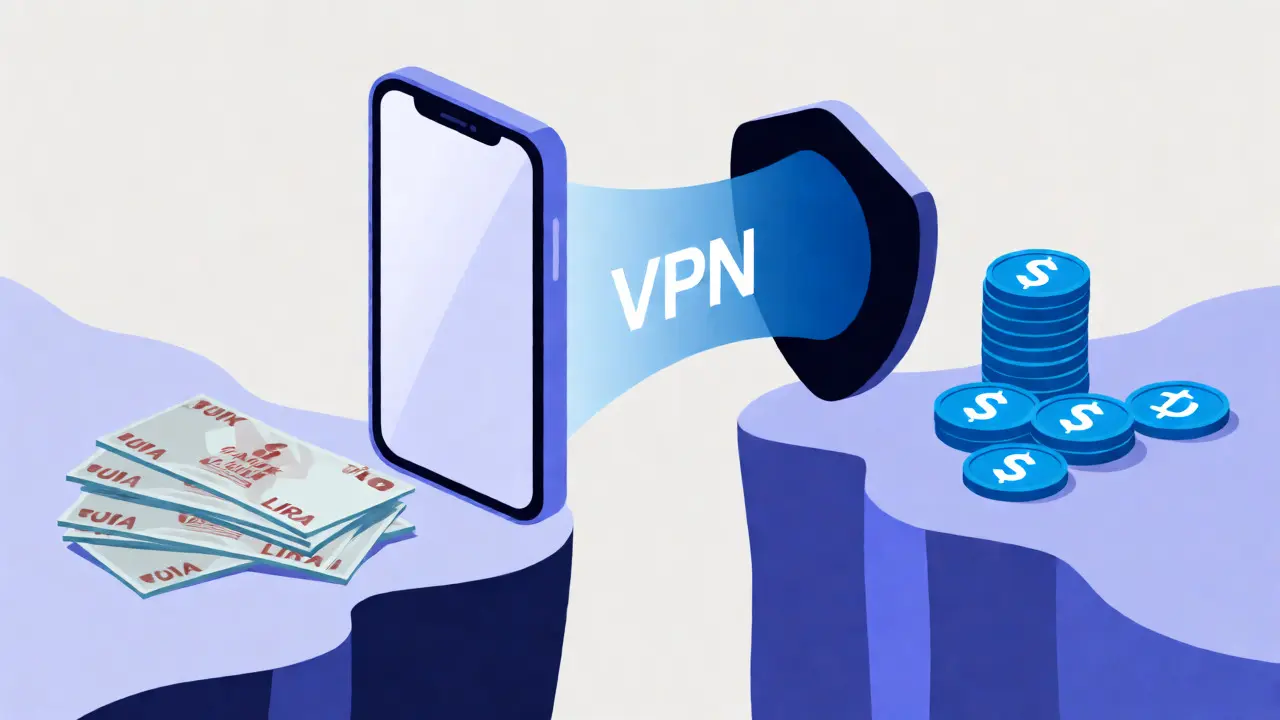
What happens when you want to trade a token that isn’t listed on Turkish exchanges? Or when you want to interact with Decentralized Finance (DeFi) protocols? Here, technology becomes the shield. Many Turkish users employ Virtual Private Networks (VPNs) to access global platforms like Coinbase or Kraken, which might restrict certain features based on IP location. Estimates suggest nearly 70% of active traders use VPNs regularly.
Even more interesting is the use of non-Turkish RPC endpoints. By configuring wallets like MetaMask or Trust Wallet to connect to servers outside Turkey, users can interact with decentralized exchanges like Uniswap. This allows them to swap stablecoins (like USDT) for other assets without touching a Turkish bank account directly. The CMB banned several major DEX interfaces in 2025, including PancakeSwap, but tech-savvy users simply route around the block using custom settings.
A standout example of community innovation is the open-source project "TurkWallet." Developed by local developers, this tool automates the process of splitting transactions to keep individual transfers below regulatory thresholds. It shows how quickly the market adapts when regulation tries to slow it down.
Why Do People Bother? The Economic Reality
You might wonder why anyone would go through these hoops. The answer is simple: inflation and currency devaluation. The Turkish Lira has faced significant volatility over the past decade. For many citizens, crypto isn’t just a speculative asset; it’s a savings account. Stablecoins like USDT serve as a digital dollar hedge, protecting purchasing power against local currency swings.
Additionally, the cultural factor plays a role. Turkey has a young, tech-literate population concentrated in urban centers like Istanbul and Ankara. Crypto offers financial inclusion for those who may not have easy access to traditional investment vehicles. The ability to trade 24/7, unlike the stock market, also appeals to a workforce accustomed to flexible hours.
Risks and Pitfalls to Avoid
Navigating this landscape isn’t without danger. The biggest risk isn’t market volatility-it’s regulatory intervention. MASAK (Financial Crimes Investigation Board) actively monitors suspicious patterns. If you suddenly move large sums of money back and forth between banks and crypto wallets, your account could be frozen for weeks while they investigate. This happened to 22% of surveyed users in recent years.
Another pitfall is counterparty risk in P2P trades. Always use platforms with escrow services. Never send money first unless you know the seller personally. And remember, while trading is legal, paying with crypto is not. If a shopkeeper accidentally accepts crypto and tries to convert it immediately, they might face fines, even if you didn’t intend to violate the rule.
Finally, keep records. Even if you use anonymous methods, keeping a log of your transactions helps immensely if you ever need to prove the source of funds for tax purposes or banking compliance.
Is it illegal to own Bitcoin in Turkey?
No, owning and holding Bitcoin or other cryptocurrencies is completely legal in Turkey. The ban implemented by the Central Bank of the Republic of Turkey specifically prohibits using cryptocurrencies as a payment method for goods and services, not as an asset class for investment or trading.
Can I use PayPal to buy crypto in Turkey?
Direct integration is limited. Most Turkish users prefer linking local bank accounts directly to licensed exchanges like Paribu or Binance TR. While some international platforms accept cards, PayPal support for crypto purchases within Turkey is often restricted or subject to high fees due to cross-border processing rules.
What happens if I exceed the 15,000 TL transaction limit?
Exceeding the 15,000 TL threshold triggers mandatory enhanced identity verification (KYC) procedures. Your exchange may request additional documents such as proof of income or source of wealth. Failure to provide these can result in temporary account freezes until the compliance check is completed.
Are taxes applicable to crypto profits in Turkey?
Yes, capital gains from cryptocurrency trading are generally taxable in Turkey. Profits realized from selling crypto assets are considered income and must be declared in annual tax returns. The specific tax rate depends on the total income bracket of the individual, so consulting a local tax advisor is recommended.
Which is safer: Licensed exchanges or P2P trading?
Licensed exchanges are safer regarding fund security and legal protection because they are regulated by the Capital Markets Board. P2P trading carries higher counterparty risk, as you are dealing directly with individuals. However, P2P offers greater privacy and access to assets not listed on local exchanges.