KCCPAD Airdrop Guide: The People's Launchpad Details & Fair Launch
 Sep, 26 2026
Have you ever stumbled upon a crypto project with a market cap so small it feels like a rounding error? That was the reality for KCCPAD, also known as The People's Launchpad. It launched in July 2021 with an initial market cap of just $25,000. For most investors, that number is a joke. But for early adopters hunting for gems before they explode, it was a lottery ticket. If you are digging into the history of this specific cryptocurrency launchpad project, you are likely looking for two things: what happened to the airdrop, and how this "fair launch" model actually worked.
The problem with niche projects like KCCPAD is that information evaporates quickly. Unlike major exchanges with permanent archives, smaller launchpads often rely on community channels that get buried under new memes and price charts. This guide cuts through the noise. We will look at the verifiable facts about its launch, the mechanics of its anti-bot protection, and why the "People's Launchpad" branding mattered in the crowded ecosystem of 2021.
What Was KCCPAD and Why Did It Exist?
KCCPAD was designed as a community-focused investment platform. Its core mission was simple: help regular investors discover upcoming cryptocurrency projects without getting burned by scams or insider deals. In the DeFi world, launchpads act as intermediaries. They vet developers, check code audits, and present tokens to the public.
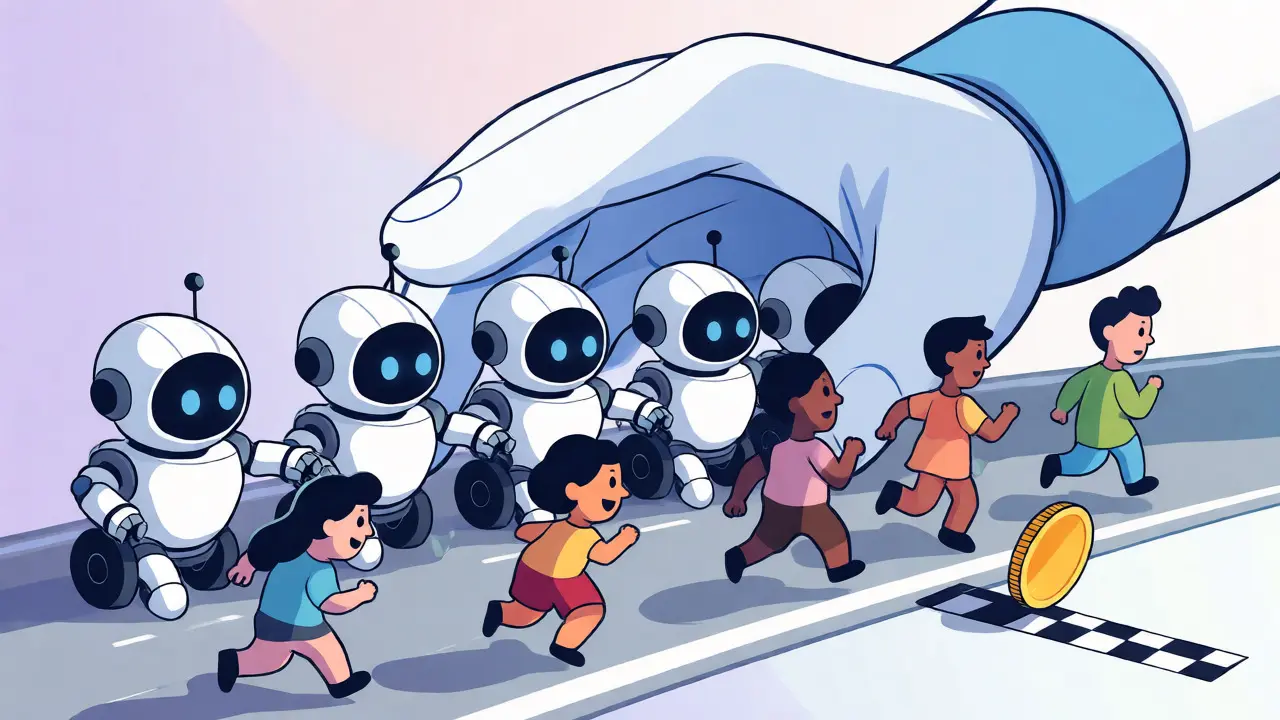
Most big launchpads use a tiered system. You stake their native token to get priority access. Hold more, get more. KCCPAD tried to flip this script. By branding itself as "The People's Launchpad," it aimed for a fair launch mechanism. This means there were no pre-sales reserved for whales (large investors) or venture capitalists. Everyone started at zero. The goal was to prevent the classic pump-and-dump scenario where insiders dump their bags on retail buyers minutes after trading opens.
The Fair Launch Mechanism and Anti-Bot Protection
If you missed the July 12, 2021 launch, here is how it worked. A fair launch sounds great in theory, but it has one massive flaw: bots. Automated scripts can buy up supply in milliseconds, leaving humans with nothing. To combat this, KCCPAD implemented anti-bot protection features. While the exact technical documentation is scarce, these measures typically involve:
- Transaction Delays: Small random time gaps between allowed transactions per wallet.
- Wallet Limits: Hard caps on how many tokens a single address could buy during the sale.
- Manual Verification: Sometimes requiring users to solve simple challenges or connect social accounts.
This approach protected the initial distribution. With a $25,000 market cap, the total supply available for purchase was tiny. Without these protections, three or four bots could have owned 90% of the circulating supply instantly. The anti-bot rules ensured that hundreds, perhaps thousands, of wallets participated. This created a more decentralized holder base from day one.
Airdrop Details: What We Know
Here is the hard truth: specific data on the KCCPAD airdrop is limited. Official whitepapers from small 2021 projects often disappear when domains expire or teams move on. However, based on standard practices for similar KuCoin Community Chain (KCC) projects, we can reconstruct the likely structure.
Airdrops in this ecosystem usually serve two purposes: marketing and decentralization. For KCCPAD, the airdrop likely targeted early community members who engaged on Telegram or Discord. Unlike large-scale airdrops that give away millions of dollars worth of tokens, KCCPAD’s scale suggests a modest distribution. Think of it less as a payday and more as a participation badge.
| Feature | KCCPAD (Fair Launch) | Tiered Launchpads (e.g., Binance) |
|---|---|---|
| Initial Access | First-come, first-served with limits | Based on staked amount tiers |
| Insider Advantage | Minimal to None | High (Whales get guaranteed slots) |
| Anti-Bot Measures | Critical focus | Less critical due to whitelist systems |
| Market Cap Start | $25,000 (Micro-cap) | $1M - $10M+ (Mid/Large cap) |
| Airdrop Focus | Community engagement rewards | Holding requirements |
The Role of KuCoin Community Chain (KCC)
You might wonder why a project called KCCPAD exists. The name gives it away. It operates on the KuCoin Community Chain. KCC is an Ethereum-compatible blockchain built by KuCoin. Why use KCC instead of Ethereum mainnet? Gas fees.
In 2021, gas fees on Ethereum spiked to over $50-$100 per transaction. For a project with a $25,000 market cap, paying $50 in gas to buy $20 worth of tokens makes no sense. KCC offered near-zero fees and fast confirmation times. This made it perfect for micro-cap launches. Other platforms like Fundraise Launchpad also integrated KCC alongside BSC and Polygon, proving that multi-chain compatibility was becoming a standard feature for serious launchpads.
How to Participate in Similar Micro-Cap Launches
If you are still interested in finding the next KCCPAD-style gem, you need a strategy. These projects don't appear on CoinGecko's front page. You find them in the trenches. Here is a practical checklist for spotting viable fair-launch opportunities:
- Check the Blockchain: Look for projects on low-fee chains like KCC, BSC, or Solana. High gas fees kill small communities.
- Verify the Vetting Process: Does the launchpad show audit reports? Who audited the contract? If the answer is "we didn't," walk away.
- Analyze Holder Distribution: Use block explorers. If the top 10 wallets hold 80% of the supply after launch, the anti-bot measures failed.
- Engage Early: Join the Telegram group weeks before launch. Ask questions. See if the team responds. Silence is a red flag.
- Expect Volatility: A $25k market cap can go to $100k or $0 in hours. Never invest money you can't afford to lose completely.
Risks of Investing in Small Launchpads
Let's be real about the downsides. Projects like KCCPAD carry extreme risk. The primary danger is not just price volatility; it is liquidity. With a $25,000 market cap, you might buy tokens easily, but selling them without crashing the price is hard. There simply aren't enough buyers.
Additionally, many small launchpads fade away. The team behind KCCPAD may have moved on to other ventures, leaving the token stranded. Always check the developer activity on GitHub. If commits stopped months ago, the project is likely dead. Don't let nostalgia for the "fair launch" ideal blind you to the reality of abandoned codebases.
Key Takeaways
- KCCPAD launched in July 2021 with a $25,000 market cap on the KuCoin Community Chain.
- It utilized a fair launch model to avoid insider advantages and relied heavily on anti-bot measures.
- Specific airdrop details are scarce, suggesting a community-focused, small-scale distribution rather than a major marketing blitz.
- Low gas fees on KCC made it feasible for micro-cap projects to operate efficiently.
- Investors should prioritize liquidity and active development over catchy names like "The People's Launchpad."
Is KCCPAD still active?
Information on KCCPAD's current activity is sparse. Given its launch date in 2021 and micro-cap status, it is likely inactive or significantly scaled down compared to major competitors. Always verify via official social media channels before investing.
What is the benefit of a fair launch?
A fair launch ensures that all participants, regardless of wealth, have an equal chance to buy tokens at the start. It prevents insiders from buying cheaply and dumping on retail investors, fostering a more decentralized community.
Why did KCCPAD use the KuCoin Community Chain?
KCC offers lower transaction fees and faster speeds than Ethereum mainnet. This is crucial for micro-cap projects where high gas fees would consume a large portion of user capital.
How do anti-bot measures work in crypto launches?
They include transaction delays, wallet purchase limits, and sometimes manual verification steps. These tools prevent automated scripts from sniping the entire supply in the first few seconds of trading.
Can I still claim the KCCPAD airdrop?
Most airdrop claim windows for 2021 projects have closed. If you missed the initial window, check the project's official Telegram or website for any extended claim periods, though these are rare.