Legal Penalties for Crypto Trading in Bolivia: What You Need to Know in 2026
 Feb, 25 2026
Before 2024, owning or trading cryptocurrency in Bolivia was a legal gray zone - and if caught, you could face serious consequences. The government had banned all crypto activities since 2014, citing risks to the national currency and financial stability. But that changed in June 2024. Bolivia didn’t just loosen its rules - it completely rewrote them. Today, crypto isn’t illegal. But crypto trading in Bolivia is only legal if you follow strict, government-mandated channels. Violate those rules, and you’re still at risk - just not for owning Bitcoin anymore.
What’s Legal Now - and What’s Not
You can legally buy, sell, and hold cryptocurrencies like Bitcoin, Ethereum, and especially stablecoins such as USDT and USDC. But here’s the catch: you can’t use them to pay for groceries, rent, or services. The boliviano is still the only legal tender. Crypto is treated like a digital asset, not money.
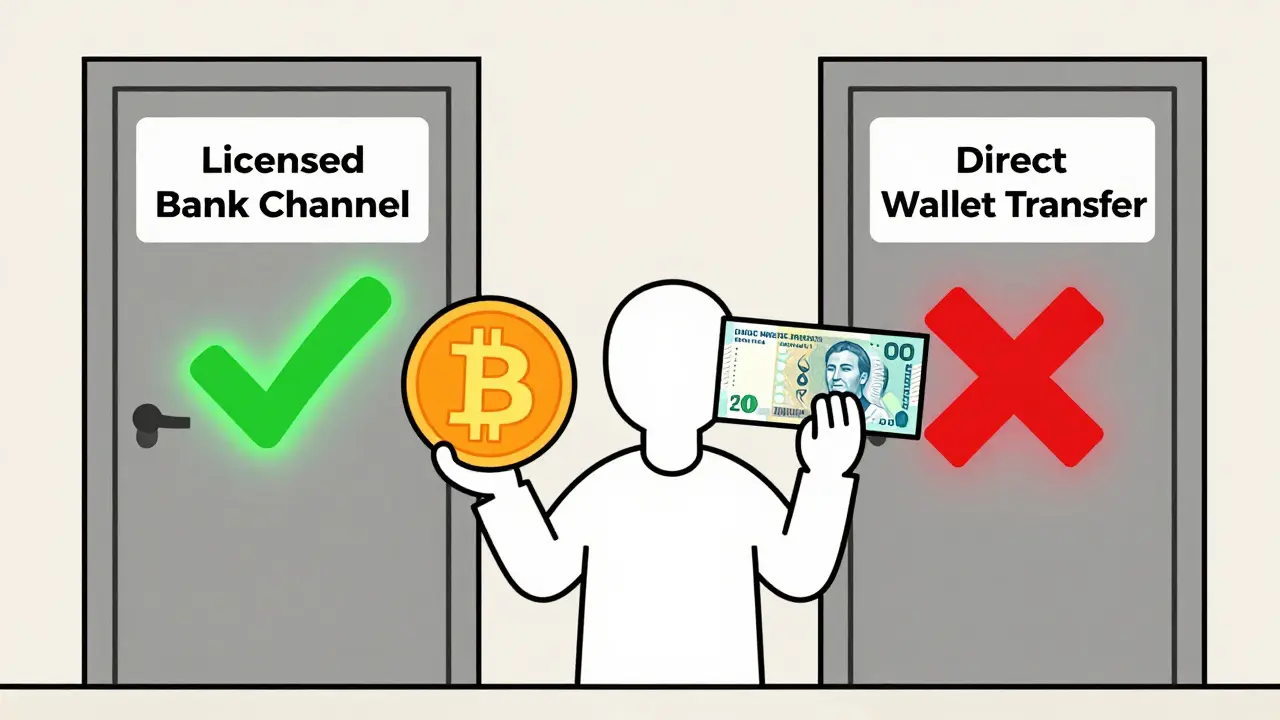
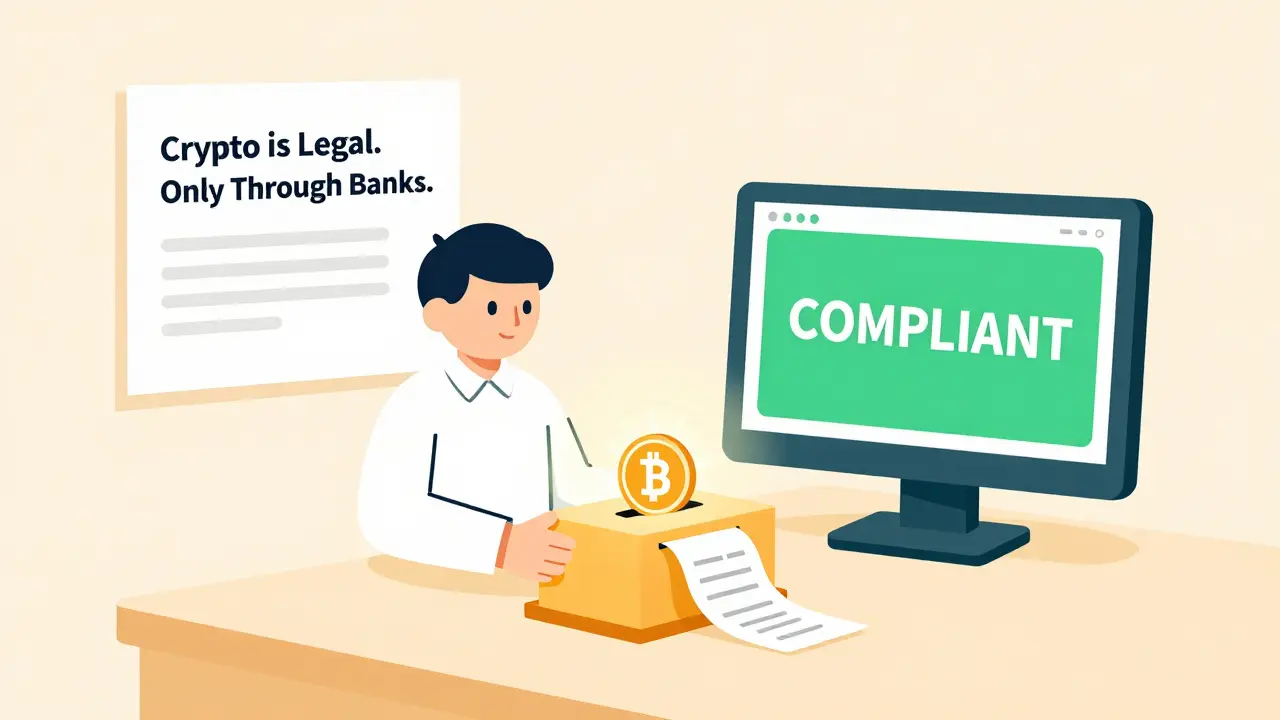
The only way to trade crypto legally is through licensed banks and authorized Electronic Payment Instruments (EPI). That means if you’re using Binance or any other exchange, you’re not breaking the law - as long as your funds move through a Bolivian bank that’s approved by the Central Bank of Bolivia (BCB). These banks must report every transaction, check it against international sanctions lists, and flag anything suspicious.
Businesses can pay employees or settle invoices using stablecoins - but again, only if the transaction goes through a regulated financial institution. If you try to send USDT directly from your wallet to someone else’s wallet without going through a bank? That’s where trouble starts.
Who’s Watching - and How
Bolivia didn’t just lift the ban and walk away. It built a monitoring system. Three agencies now oversee crypto activity:
- Central Bank of Bolivia (BCB) - the main regulator. They set the rules and approve which banks can handle crypto.
- Financial System Supervisory Authority (ASFI) - makes sure institutions follow the rules.
- Financial Investigations Unit - tracks money laundering and fraud.
Banks are required to report crypto transactions daily. That’s not a suggestion - it’s a legal requirement. If a bank sees a transfer that doesn’t match your profile, or if it links to a known criminal wallet, they have to report it. And those reports go straight to investigators.
Since the ban was lifted, crypto transactions in Bolivia have exploded. From just $46.5 million in early 2024, the value jumped to $294 million in the first half of 2025. That’s a 630% increase. Most of that activity - 86% - comes from individual users. Men make up 75% of traders, and most use stablecoins on platforms like Binance.
Penalties for Breaking the Rules
Here’s the key point: there’s no public list of fines. You won’t find a chart saying “$500 for unlicensed transfers.” That’s because penalties aren’t fixed. They’re decided case by case.
So what gets you in trouble?
- Transferring crypto directly between wallets without going through a licensed bank
- Using crypto to pay for goods or services outside approved channels
- Running a crypto exchange or service without registering with regulators
- Failing to report crypto income if you’re running a business (mining, staking, trading as a business)
Enforcement isn’t about locking people up for owning Bitcoin. It’s about catching people who bypass the system. If you’re using a regulated bank, you’re safe. If you’re using a peer-to-peer app or sending crypto through unlicensed platforms, you’re playing with fire.
There’s no evidence of mass arrests or public prosecutions. But there have been cases where individuals and businesses had accounts frozen, faced audits, or were flagged for further investigation. The goal isn’t punishment - it’s compliance.

Taxes: No Capital Gains, But Business Profits Are Taxed
If you’re trading crypto as a hobby - buying low, selling high, holding for a few months - you don’t owe any capital gains tax. Bolivia doesn’t tax individual crypto profits. That’s rare in Latin America.
But if you’re mining, staking, or running a crypto trading business? That’s a different story. All profits from commercial crypto activities are subject to a 25% corporate income tax. That includes:
- Earning interest from staking
- Running a mining operation
- Trading crypto as your main source of income
Failure to report business income from crypto can lead to tax audits, penalties, and even criminal charges for tax evasion. The government is watching these activities closely - not because crypto is illegal, but because businesses must pay their fair share.
Real-World Examples
One Bolivian entrepreneur started a small logistics company in La Paz. In late 2024, he began paying drivers using USDT through Banco Bisa’s new stablecoin custody service. He didn’t use crypto as payment directly - he transferred USDT to the bank, which converted it to bolivianos and paid the drivers. That’s compliant. He avoided currency exchange fees and got faster payments.
Another person tried to send $10,000 in Bitcoin directly from his Binance wallet to a friend’s wallet in Santa Cruz. The friend’s bank flagged the incoming funds. The transaction was reversed. The sender received a notice from ASFI asking for proof of source and purpose. His account was under review for three months. He never got fined - but he lost time, access, and trust.
These aren’t rare cases. They’re becoming routine.
What Happens If You Get Caught?
There’s no jail time for simply holding crypto. No fines are published. But that doesn’t mean there’s no consequence.
If you’re caught bypassing the system:
- Your bank account may be frozen temporarily
- You may be required to submit documents proving the source of your funds
- You could be flagged for future monitoring
- If you’re a business, you could face tax audits or lose your license to operate
The government’s message is clear: We’re not trying to stop you from using crypto. We’re trying to stop you from hiding behind it.
How to Stay Safe
If you’re in Bolivia and want to trade crypto legally, here’s what to do:
- Only use banks and financial institutions approved by the Central Bank of Bolivia
- Never send or receive crypto outside of those channels
- Keep records of all transactions - even if you’re not taxed
- If you’re running a business, report crypto income under corporate tax rules
- Use stablecoins like USDT or USDC - they’re the most accepted and regulated
Platforms like Binance are still popular, but they’re only safe if you’re depositing or withdrawing through a Bolivian bank. Don’t assume an app is legal just because it’s big. Only the bank’s role makes it compliant.
Looking Ahead
Bolivia is working with El Salvador - a country that made Bitcoin legal tender - to learn how to improve oversight. That means the rules might get even clearer soon. More banks will likely launch crypto services. More people will join. But the core rule won’t change: crypto is allowed - but only if you play by the bank’s rules.
For now, the safest path is simple: Use the system. Don’t try to beat it. And if you’re unsure? Ask your bank. They’re the ones who know the rules - and they’re the only ones who can keep you out of trouble.
Is it legal to own Bitcoin in Bolivia in 2026?
Yes, owning Bitcoin and other cryptocurrencies is legal in Bolivia as of 2026. The ban was lifted in June 2024. However, you can’t use Bitcoin as payment for goods or services unless the transaction goes through a licensed bank or authorized Electronic Payment Instrument (EPI). Holding crypto in your wallet is not illegal.
Can I use USDT to pay my employees in Bolivia?
Yes, but only if you use a licensed Bolivian bank that offers stablecoin services. Companies like Banco Bisa now allow businesses to convert USDT into bolivianos and pay salaries. Direct peer-to-peer payments using USDT are not allowed. The boliviano remains the only legal tender.
Are there fines for illegal crypto trading in Bolivia?
There are no published fine amounts, but penalties exist. Violations - like sending crypto outside licensed banks or running unregistered exchanges - can lead to account freezes, regulatory audits, or criminal investigations for money laundering. Enforcement is case-by-case and focused on bypassing the regulated system, not owning crypto.
Do I have to pay taxes on crypto profits in Bolivia?
Individuals do not pay capital gains tax on crypto profits. However, if you’re trading, mining, or staking as a business, you must pay 25% corporate income tax on profits. The government treats personal trading and business operations differently. Failing to report business income can trigger tax audits.
Which banks in Bolivia allow crypto transactions?
Banco Bisa was the first major bank to launch a stablecoin custody service for USDT in October 2024. Other banks are expected to follow, but only those approved by the Central Bank of Bolivia (BCB) can legally handle crypto. Always confirm with your bank before making a transaction. Never use unregulated platforms for deposits or withdrawals.