Midnight (NIGHT) Airdrop by Cardano: Complete Details on Glacier Drop, Claiming, and Vesting
 Dec, 14 2025
Midnight Token Allocation Calculator
Your Holdings
Enter your holdings in supported chains (minimum $100 total to qualify)
Estimated Allocation
Enter your holdings to see your allocation
0
NIGHT Tokens
Important Notes
The Glacier Drop claiming window closed on October 4, 2025. This calculator shows potential allocation based on the article's token distribution model. Unclaimed tokens are now being redistributed through the Scavenger Mine phase.
On August 6, 2025, the Midnight (NIGHT) airdrop-called the Glacier Drop-went live, distributing 24 billion tokens to over 34 million wallet addresses across eight blockchains. This wasn’t just another token giveaway. It was a carefully engineered network bootstrap, designed to reward real holders, prevent speculative dumps, and build a privacy-focused blockchain from the ground up. If you held crypto on Bitcoin, Ethereum, Cardano, or any of the other supported chains before June 11, 2025, you were likely eligible. But here’s the catch: the claiming window closed on October 4, 2025. If you didn’t claim by then, you missed the first phase.
Who Was Eligible for the Midnight Airdrop?
You didn’t need to be a crypto expert. You just needed to hold at least $100 worth of native cryptocurrency in one of eight supported chains on June 11, 2025. That’s it. No social media posts. No surveys. No farming points. The system used a snapshot to capture wallet balances at a random, undisclosed time that day to stop last-minute manipulation.The eight chains included:
- Bitcoin (BTC)
- Ethereum (ETH)
- Ripple (XRP)
- Solana (SOL)
- Avalanche (AVAX)
- BNB Chain (BNB)
- Brave (BAT)
- Cardano (ADA)
Cardano holders got the biggest slice: 50% of all NIGHT tokens-12 billion-were reserved just for them. Bitcoin holders got 20%. The remaining 30% was split among the other six chains based on the total dollar value of holdings in each. So if you held $500 in ETH and $300 in ADA, you qualified for both allocations.
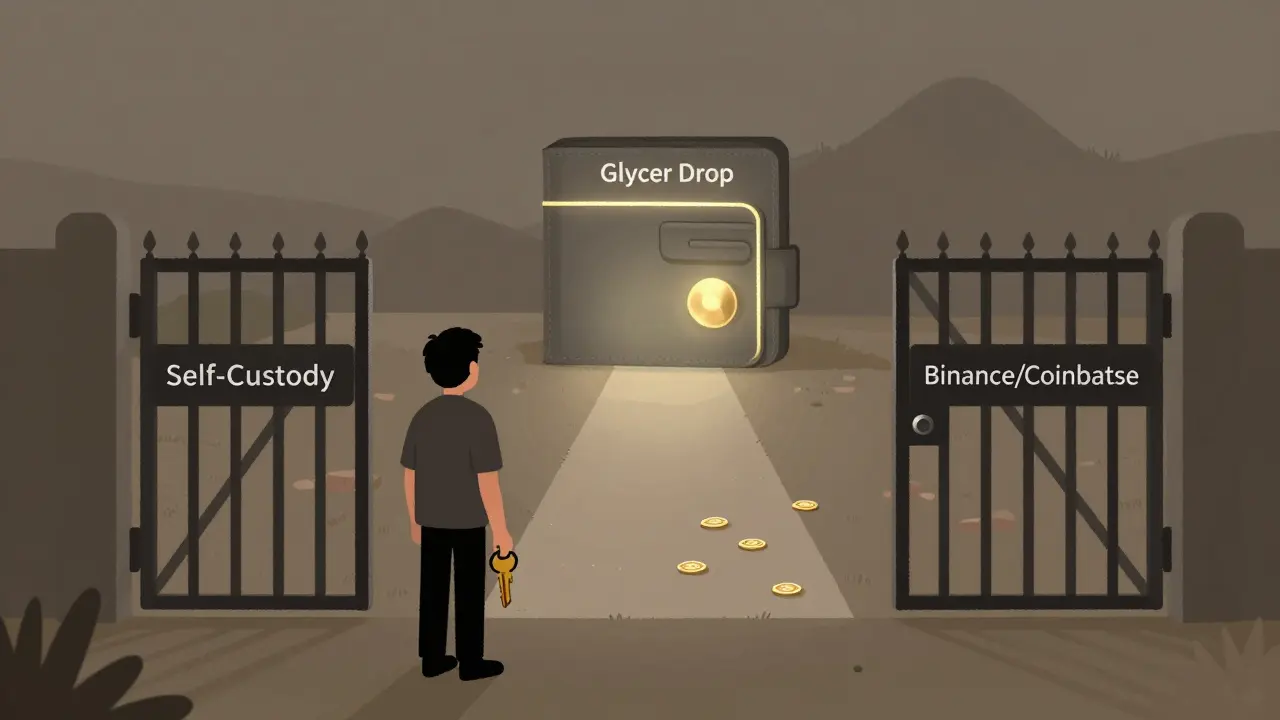
But here’s the hard part: you had to control your own keys. If your crypto was sitting on Binance, Coinbase, or Kraken, you were out of luck unless the exchange claimed on your behalf-and none of them did. Only self-custody wallets counted. That meant if you didn’t use a wallet like Eternl, Lace, Yoroi, or MetaMask, you likely didn’t make the cut.
How to Claim NIGHT Tokens (Now Closed)
The claiming window lasted 60 days, from early July through October 4, 2025. To claim, you had to:- Go to the official portal: midnight.gd or midnight.network
- Connect your wallet from one of the eight supported chains
- Sign a message proving you owned the wallet (first cryptographic proof)
- Provide a brand-new, unused Cardano wallet address to receive NIGHT tokens (second proof)
That second step-giving a new Cardano address-was critical. You couldn’t use an existing one. The system needed a fresh, unused address to prevent reuse and ensure each claim was unique. This confused a lot of people. Many thought their old Cardano wallet would work. It didn’t. You had to create a new one, even if you already had one.
Wallets like Eternl and Lace made this easy for Cardano users. But for someone holding only Bitcoin or Ethereum, setting up a Cardano wallet was a barrier. Many gave up. Others didn’t realize they needed to act at all. By the time the deadline hit, an estimated 40% of eligible addresses had not claimed.
What Happens to Unclaimed Tokens?
The project didn’t just delete unclaimed tokens. That would’ve been wasteful-and against their philosophy. Instead, they created a three-phase system to make sure every token finds a home.Phase one: Glacier Drop-the initial 60-day claim window. Closed on October 4, 2025.
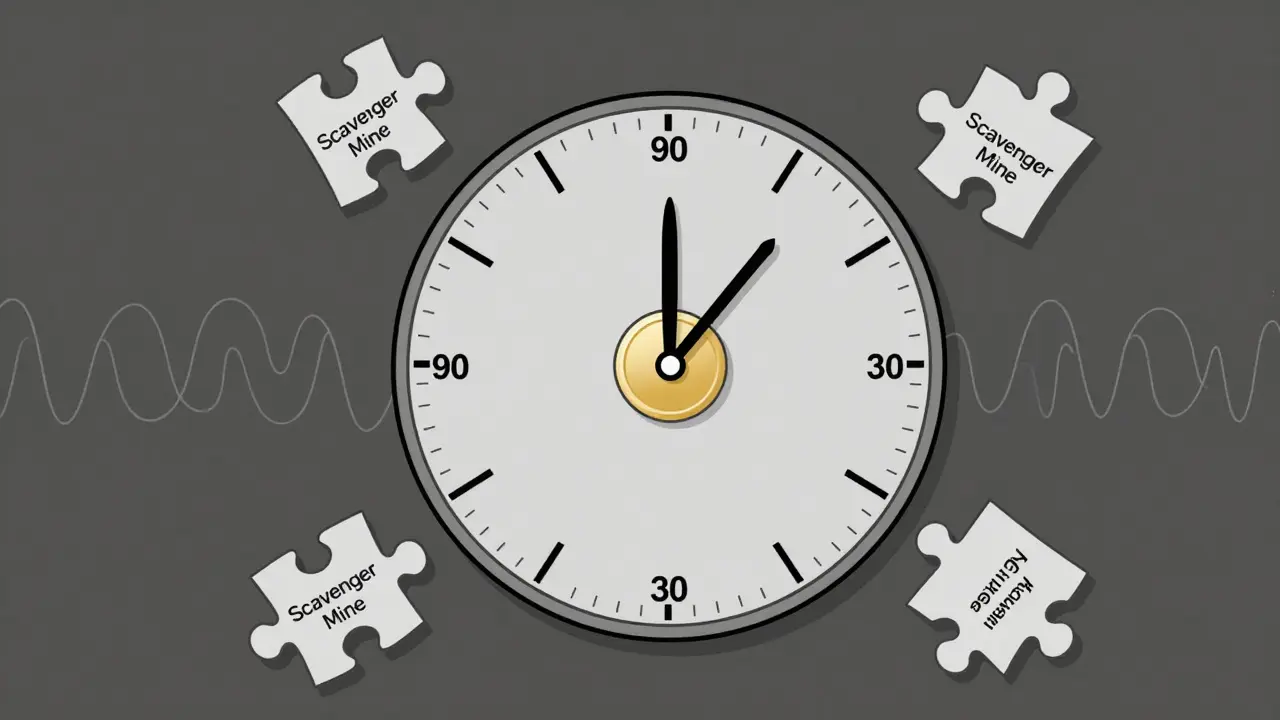
Phase two: Scavenger Mine-now active. Unclaimed tokens are being redistributed to users who solve public computational puzzles. These aren’t random games. They’re useful tasks that help test and strengthen Midnight’s privacy network. Think of it like mining, but instead of burning electricity, you’re contributing real computing power to build the chain. If you’re active in crypto communities, you’ll see people sharing puzzle solutions and claiming shares of the remaining 12 billion tokens.
Phase three: Lost-and-Found-coming after mainnet launch. Any tokens still unclaimed after the Scavenger Mine will be available as a final recovery opportunity. This phase is meant for people who missed both earlier steps but still want to participate once the network is live.
This structure ensures the entire 24 billion token supply eventually enters circulation-not through insiders, but through community action.
Token Vesting: No Instant Cash-Out
Most airdrops hand out tokens and let people sell them the same day. Midnight didn’t do that. They built in a 360-day vesting schedule to stop dumping.Here’s how it works:
- Once you claim, your NIGHT tokens are locked in a Cardano smart contract.
- 25% unlock every 90 days.
- Each unlock happens at a random time within that 90-day window.
- Full access to all tokens happens after 360 days from mainnet launch.
Why random timing? To prevent coordinated selling. If everyone knew the exact moment tokens would unlock, they’d all sell at once, crashing the price. Randomization forces holders to stay engaged and not panic-sell.
And here’s the catch: the 360-day clock doesn’t start when you claim. It starts when Midnight’s mainnet launches. That date hasn’t been announced yet. So even if you claimed on day one, you might not be able to trade your tokens for another six months-or longer. This isn’t a get-rich-quick scheme. It’s a long-term bet on the network’s success.
Why Midnight Matters
Midnight isn’t just another privacy coin. It’s trying to solve a real problem: most blockchains force you to choose between transparency and privacy. Bitcoin shows all your transactions. Zcash hides them but makes it hard to build apps. Midnight says: why not both?It’s built as a sidechain on Cardano, using advanced cryptography to let users prove compliance without revealing data. Want to send money anonymously but still pass KYC? Midnight lets you do that. Want to build a decentralized app where users can transact privately? You can do that too.
The token model is unique: NIGHT is the utility token you earn from the airdrop. DUST is the fuel you use to pay for transactions. This separation prevents inflation and gives the network more control over resource allocation.
It’s a bold experiment. If it works, it could change how privacy is built into blockchains. If it fails, it’ll still be one of the most thoughtfully designed airdrops ever.
What You Can Do Now
The Glacier Drop is over. But that doesn’t mean your involvement ends.- Join the Scavenger Mine. Solve puzzles. Earn unclaimed NIGHT tokens. The project’s GitHub and Discord have active channels for this.
- Set up a Cardano wallet if you haven’t already. Lace and Eternl are the easiest for beginners.
- Follow Midnight’s testnet updates. Developers are building apps on it now. If you’re a coder, start learning their documentation.
- Watch for the mainnet launch. That’s when vesting begins and real usage starts.
If you missed the airdrop, don’t write it off. Midnight’s real value isn’t in the tokens you might’ve claimed. It’s in the network they’re building. And you can still be part of it.