Decentralized Web: What It Is and How It’s Changing Crypto and Control
When you use the decentralized web, a network where no single company or government owns or controls the systems. Also known as Web3, it lets you interact directly with apps, money, and data without relying on banks, tech giants, or central servers. This isn’t science fiction—it’s what Afghan families use to send money when banks are closed. It’s what Iranians rely on to mine Bitcoin even when the government tries to shut them down. And it’s why you can hold your crypto in a wallet that no exchange can freeze.
The blockchain, a public, tamper-proof ledger that records transactions across many computers is the engine behind the decentralized web. It doesn’t need a central authority to verify who sent what. Instead, thousands of computers around the world check each other’s work. That’s why you can use a peer-to-peer network, a system where users connect directly without intermediaries to send USDT to a relative in a country where PayPal won’t let you. It’s also why tools like MetaMask or the Lightning Network work even when governments try to block them.
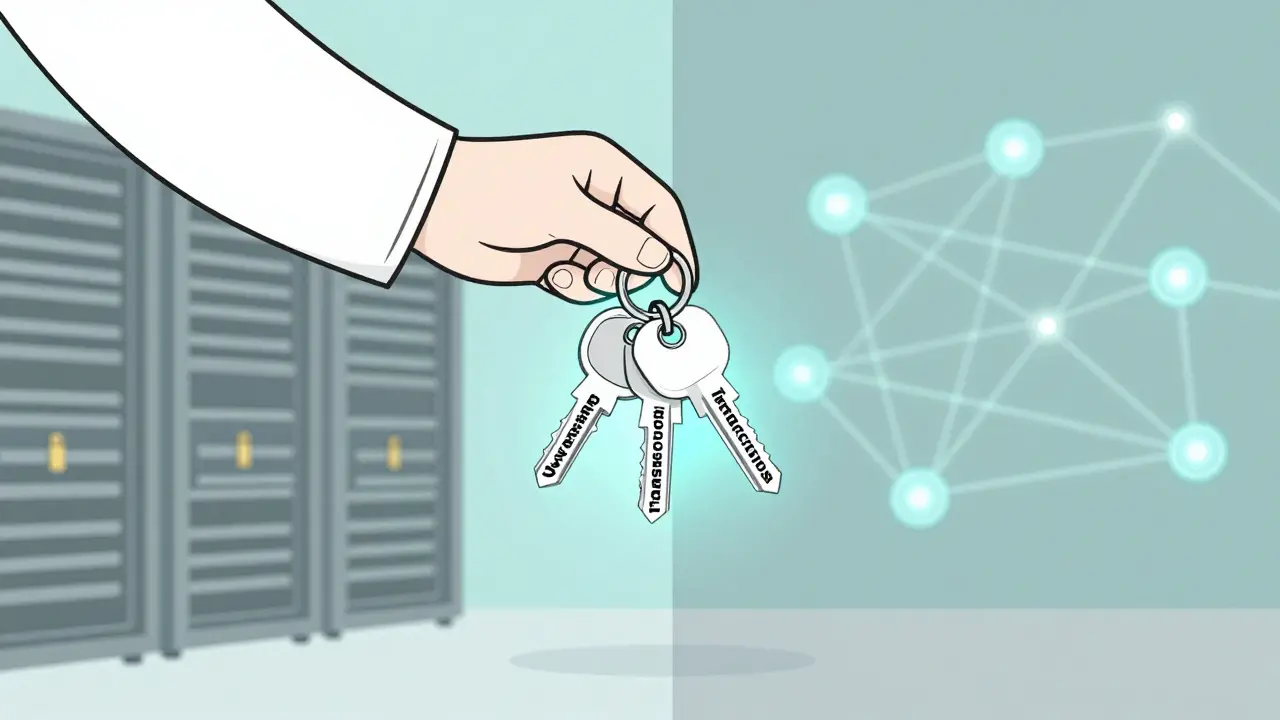
But the decentralized web isn’t just about avoiding bans. It’s about ownership. If a bank shuts your account, you’re stuck. If a crypto exchange gets hacked, your funds vanish. But with self-custody—where you hold your own keys—you’re the only one in control. That’s why posts here cover non-custodial wallets, geofencing bypasses, and why some airdrops are fake while others are real utility. You’ll find stories from Iran, India, Afghanistan, and Texas—not because they’re exotic, but because they show how the decentralized web is already changing lives where traditional systems have failed.
What you’ll find below aren’t theory pieces. These are real-world reports from people using the decentralized web to survive, trade, and build—despite restrictions, scams, and silence from mainstream finance. Some posts expose scams pretending to be airdrops. Others show how actual tools like smart contract tracking or cross-chain lending are being used. There’s no fluff. Just what works, what doesn’t, and who’s really in control.
Future of Web3 Internet: How Decentralization Is Reshaping Online Ownership and Control
0 Comments
The future of the Web3 internet is about ownership, not apps. With blockchain, AI, and regulation aligning, Web3 is moving from crypto experiments to enterprise reality-giving users control over their data, identity, and assets.