US Crypto Rules: What You Can and Can't Do in 2025
When it comes to US crypto rules, the set of laws and enforcement policies that govern how Americans buy, sell, report, and use digital assets. Also known as crypto regulation in America, it's not just about taxes—it's about who can operate, what you must report, and how the government tracks your activity. If you're holding Bitcoin, trading on Bybit, or even sending USDT to family overseas, these rules directly impact you.
The IRS, the U.S. tax agency that treats cryptocurrency as property, not currency. Also known as Internal Revenue Service, it demands you report every trade, swap, or sale—even crypto-to-crypto. Miss it, and you risk penalties that can hit 25% of your gains. Then there's FinCEN, the financial watchdog that requires exchanges to collect your personal info and report large transactions. Also known as Financial Crimes Enforcement Network, it makes KYC and AML checks non-negotiable. If you're using a foreign exchange like Bybit and hiding behind a VPN, you're not being clever—you're risking account freezes and legal trouble.
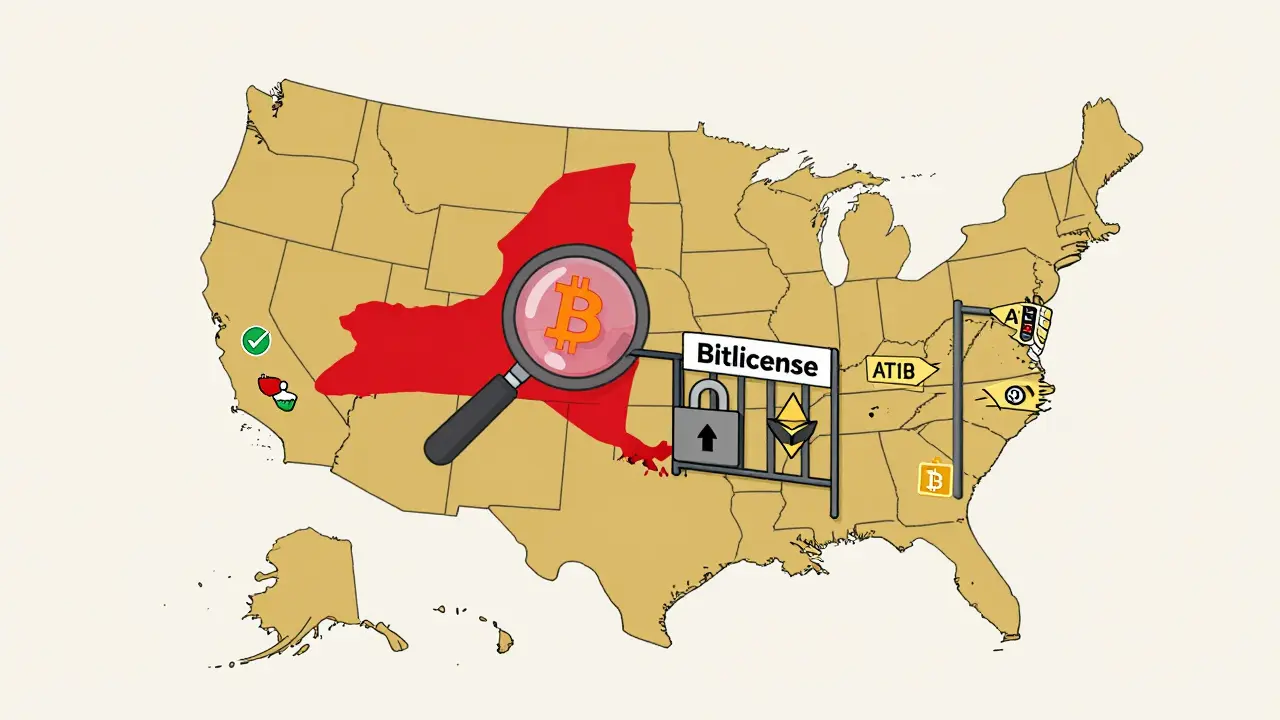
Some states have their own rules too. New York’s BitLicense forces exchanges to jump through hoops just to serve residents. California pushes for stricter disclosure on DeFi platforms. Meanwhile, federal agencies are cracking down on anonymous tokens, stablecoin issuers, and even mining operations that drain too much power. You can’t ignore this anymore. The days of "I didn’t know" are over. The government already knows what you did.
What you’ll find below isn’t theory. These are real stories: how Afghan families use USDT to survive, why Iranians can’t withdraw from exchanges, how Indian traders lose 1% on every trade, and why US-based users get blocked from platforms like Bybit. Some posts expose scams pretending to be compliant. Others show how legal mining in Iran or crypto remittances in Afghanistan bend the rules without breaking them. This isn’t about politics—it’s about survival, strategy, and staying out of trouble in a system that’s watching every move.
State-by-State Crypto Regulations in the United States: What’s Legal Where in 2025
0 Comments
In 2025, U.S. crypto rules vary wildly by state. New York demands strict licenses, Texas welcomes crypto with open arms, and most states rely on outdated laws. Know where you stand before you trade or build.