Tunisia Crypto Ban: Why the Central Bank Still Blocks Digital Assets
 Sep, 23 2026
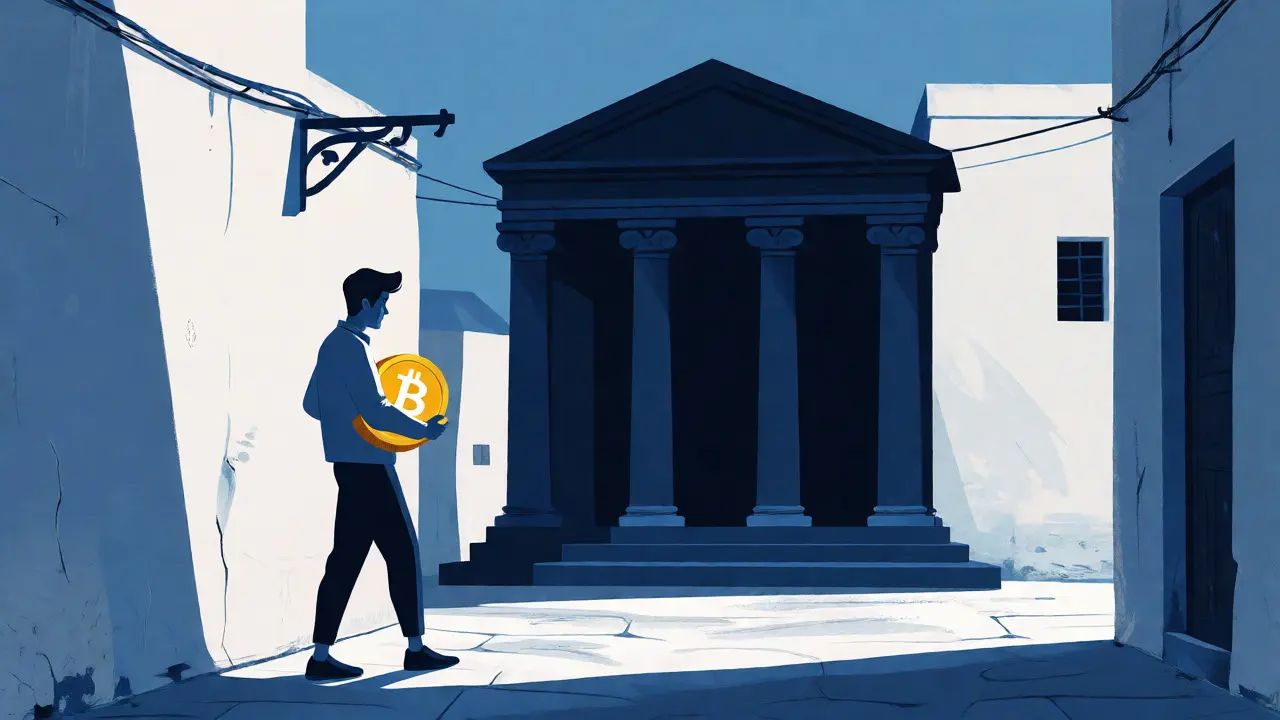
Imagine holding a handful of Bitcoin in your pocket while walking through the streets of Tunis. In most countries, that’s just a quirky conversation starter or a potential investment move. But in Tunisia, it could land you in serious legal trouble. Since May 2018, the Central Bank of Tunisia (BCT) has enforced one of the strictest cryptocurrency bans on the planet. It’s not just a suggestion; it’s a hard line drawn in sand, prohibiting virtually all transactions involving virtual money without explicit state authorization.
This isn’t some obscure footnote in global finance. Tunisia sits alongside heavyweights like China and Algeria in the club of nations with total prohibitions. If you’re wondering why a country with a vibrant tech scene keeps its doors locked to crypto, you need to look at the specific fears driving this policy: capital flight, monetary sovereignty, and a deep-seated distrust of unregulated financial flows. But here’s the twist-while the front door is locked, there’s a window open. The BCT runs a regulatory sandbox, allowing select startups to test blockchain tech under tight supervision. So, what’s really going on inside the walls of the BCT?
The Hard Line: What Is Actually Illegal?
Let’s cut through the noise. If you are in Tunisia today, buying coffee with Bitcoin is illegal. Accepting Ethereum for freelance work? Also illegal. Even owning a mining rig can get your equipment seized by customs before you even plug it in. The directive issued in 2018 was comprehensive. It didn’t just ban exchanges; it banned the very concept of using digital assets as a medium of exchange within the country’s borders.
The penalties aren’t trivial. We aren’t talking about a slap on the wrist. Violations of currency-control regulations can lead to up to five years in prison and substantial fines. This severity stems from Tunisia’s history with foreign currency controls. The government views every dinar leaving the country for an offshore crypto exchange as a threat to national reserves. When banks block card purchases at foreign exchanges, they aren’t being difficult; they are following direct orders to prevent money from slipping out of the regulated system.
| Activity | Status | Risk Level |
|---|---|---|
| Paying merchants with crypto | Illegal | High (Fines & Prison) |
| Mining (ASIC rigs) | Restricted/Seized | Medium-High |
| Holding assets privately | Gray Area | Medium |
| Trading via P2P | Technically Illegal | High |
| Sandbox Projects | Authorized | Low (Controlled) |
Why the Fear? Capital Flight and Monetary Control
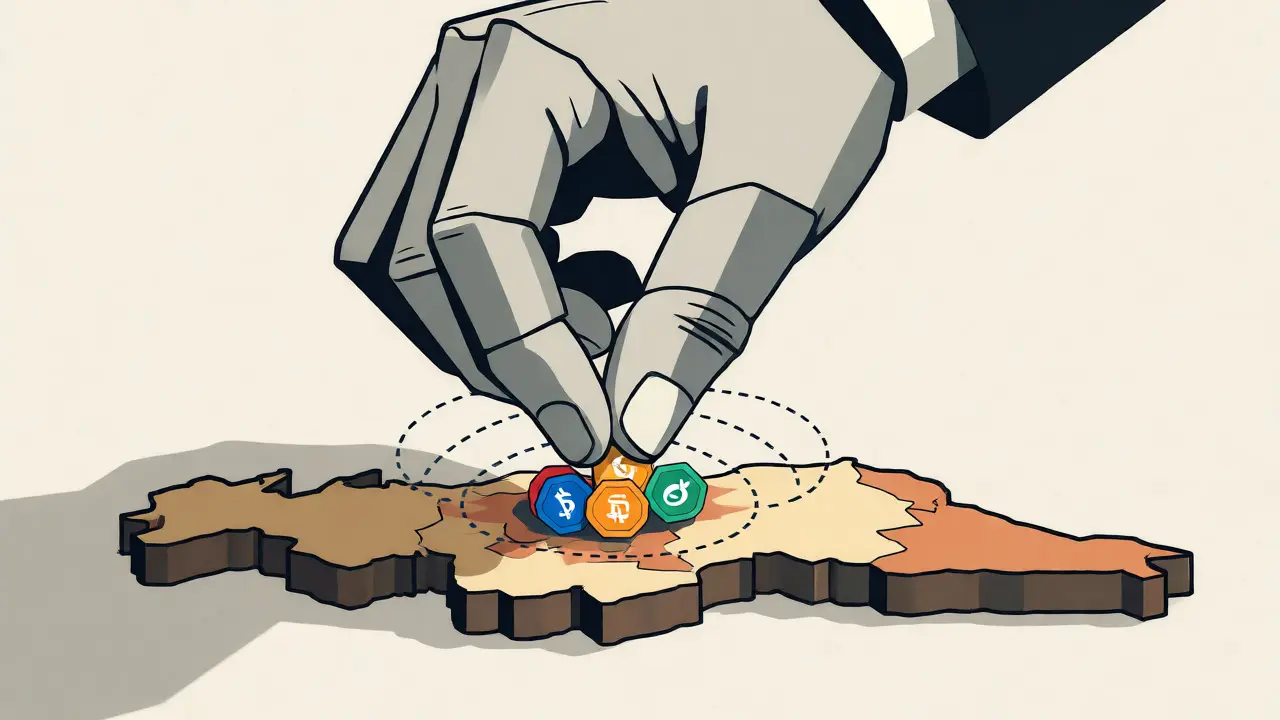
To understand the ban, you have to understand the economy. Tunisia relies heavily on foreign currency reserves to pay for imports like oil and wheat. When citizens convert their local currency into stablecoins or Bitcoin to send abroad, the central bank loses control over that liquidity. For a small, open economy, this is a nightmare scenario. The BCT argues that if everyone starts trading in digital dollars, the Tunisian Dinar loses its utility, and monetary policy becomes toothless.
There is also the issue of money laundering. Without a centralized ledger visible to regulators, tracking illicit flows becomes nearly impossible. The BCT operates under a mandate of independence, reinforced by a 2016 law tied to IMF loan conditions. However, this independence is constantly tested by government borrowing needs. Allowing an uncontrolled parallel currency system would complicate the government’s ability to manage debt and inflation. It’s a defensive posture, designed to protect the fragile stability of the dinar.
The Sandbox Exception: Controlled Innovation
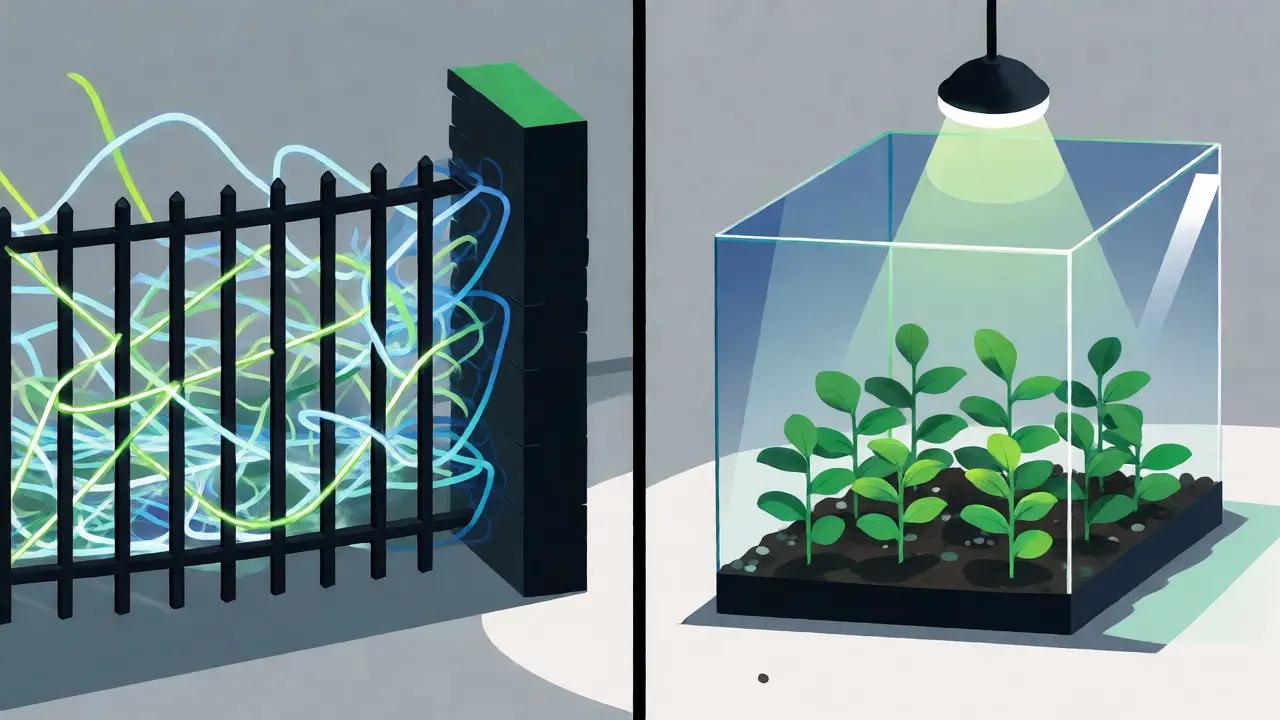
Here is where things get interesting. While the market is closed, the lab is open. Since 2020, the BCT has operated a regulatory sandbox. This program allows fintech companies to test blockchain solutions under strict supervision. Think of it as a petri dish for innovation. You can experiment, but you can’t grow too big, too fast.
Startups like VFunder (creative crowdfunding) and Hydro E-Blocks (carbon tracking) have participated in these cohorts. They typically last six to twelve months and operate with strict limits on user volume and transaction size. Crucially, many of these projects host their infrastructure outside Tunisia, using the sandbox primarily for research and proof-of-concept rather than live commercial deployment. This allows the BCT to observe how blockchain works without risking systemic shock.
The Digital Tunisia 2025 project further clarifies this stance. It explicitly lists blockchain technology as a tool for transparency in supply chains and record-keeping. But note the qualifier: permissioned ledgers. The government loves the idea of immutable records for land registries or subsidy distribution, provided they hold the keys. Public, decentralized cryptocurrencies? Not so much.
Enforcement and Real-World Consequences
You might think, "It’s just a law on paper." But enforcement has teeth. Customs authorities actively monitor electronics imports. If you try to bring in a batch of ASIC miners, expect them to be flagged. Financial institutions are prohibited from facilitating any crypto-related transactions, meaning you can’t easily cash out your winnings through a standard bank transfer without raising red flags.
A pivotal moment occurred in 2021 when a teenager was imprisoned for exchanging a small amount of cryptocurrency. This case sparked high-level cabinet discussions about decriminalization. People wondered if the penalty fit the crime. Did we really need jail time for a kid trying to trade a few hundred dollars’ worth of Bitcoin? Despite the public outcry and political debate, no official policy change followed. The law remains as written, serving as a stark warning to others.
E-commerce platforms face similar hurdles. Some try to price goods in crypto to attract international customers, but they usually end up operating offshore to avoid violating local laws. This creates a fragmented landscape where Tunisian businesses engage with the global digital economy indirectly, often losing out on the efficiency gains that direct integration could offer.
The Future: Will the Ice Melt?
As of late 2025, the ice hasn’t melted, but cracks are forming. The continued operation of the sandbox suggests the BCT recognizes the inevitability of digital finance. They aren’t ignoring the trend; they are managing it. The success of these pilot programs will likely influence future decisions. If blockchain proves useful for reducing corruption in public spending or speeding up remittances, the pressure to relax restrictions will grow.
However, fundamental concerns remain. As long as capital flight is a threat to the dinar’s stability, the BCT will keep its guard up. Regional developments matter too. Neighbors like Morocco and Algeria maintain similar stances, creating a regional bloc of caution. Until there is a coordinated approach to cross-border digital payments, Tunisia is unlikely to go it alone in opening its markets fully.
For now, if you’re in Tunisia, treat crypto like a dangerous spice: use it sparingly, preferably off the books, and never let it spill into the formal banking system. The policy is restrictive, yes, but it is also a calculated bet on monetary sovereignty in a volatile global environment.
Is it illegal to own Bitcoin in Tunisia?
While possession itself isn't always explicitly criminalized in the same way as trading, using Bitcoin for payments or exchanging it through local channels is strictly prohibited. Holding assets privately exists in a gray area, but converting them to Tunisian Dinars within the country violates currency control laws, carrying risks of fines and imprisonment.
Can I mine cryptocurrency in Tunisia?
Mining faces severe restrictions. Importing mining equipment like ASIC rigs can result in seizure by customs authorities because the activity is linked to unauthorized currency exchange operations. Furthermore, selling mined coins back into the local economy violates the ban on crypto transactions.
What is the Central Bank of Tunisia's regulatory sandbox?
Launched in 2020, the regulatory sandbox allows selected fintech startups to test blockchain-based financial products under strict supervision. It permits limited experimentation with payments and traceability without lifting the general ban on public cryptocurrency use, focusing on controlled innovation rather than open market adoption.
Why does Tunisia ban cryptocurrency?
The primary reasons are preventing capital flight, maintaining control over foreign currency reserves, and combating money laundering. The Central Bank believes that unregulated digital assets threaten the stability of the Tunisian Dinar and undermine the effectiveness of monetary policy.
Are there any exceptions to the crypto ban?
Yes, exceptions exist within the regulatory sandbox for approved pilot projects. Additionally, the government supports the use of permissioned blockchain ledgers for internal applications like land registry digitization and supply chain transparency, distinguishing these from public, decentralized cryptocurrencies.