What is Decentralized Social (DESO) Cryptocurrency Explained
 Mar, 26 2026
You’ve probably seen your favorite creator lose thousands of followers overnight because a platform changed its algorithm. Maybe you spent years building a presence on X or Instagram, only to realize that if the company bans you, you lose everything. You don’t actually own your connections, your content, or your influence. Decentralized Social (DESO) is built to fix exactly that. It isn’t just another crypto coin trying to mimic Facebook; it’s a specialized blockchain designed to make social media work for the people using it.
Decentralized Social is a Layer 1 blockchain optimized for social media storage and transactions.The Problem with Current Blockchains
To understand why DESO is different, you have to look at where standard cryptocurrencies fail when handling social apps. Take Ethereum. While revolutionary, it processes transactions through a virtual machine called EVM. For financial trades, that overhead is fine. But for social media? It’s too slow and expensive. Imagine trying to upload a photo to Facebook every time it costs $50 in fees and takes minutes to confirm. General-purpose blockchains struggle to handle the sheer volume of text, images, and comments generated by millions of active users.
DESO cuts out the middleman. Instead of using a virtual machine, it runs directly on bare metal. Think of a virtual machine as a translator interpreting instructions for your hardware. Running bare metal means the software talks directly to the hardware without that translation step. This allows the network to process high volumes of social interactions with near-instant response times, ensuring that liking a post feels just as fast as it does on Twitter.
Understanding the DESO Token
The native currency, DESO coin, acts as the fuel for the entire ecosystem. Unlike many projects that flood the market with tokens or give away supply to investors, DESO focuses on scarcity and fair distribution. There is a hard cap of 10.8 million units. As of early 2026, roughly 8.88 million are already in circulation, which creates immediate inflationary pressure once the remaining supply enters the market.
Why does supply matter? When fewer coins exist and demand grows, value tends to hold better. Originally, you could acquire these coins by swapping Bitcoin directly on-chain. This meant every holder had a direct investment in the project rather than just receiving free airdrops. You bought into the vision, often through mining or swap mechanisms, creating a community of stakeholders who care about long-term health rather than quick pumps.
How Creator Coins Work
If you’ve been following crypto news, you know that NFTs took the world by storm. On DESO, they evolved into Creator Coins. Every single profile on the network automatically generates a unique token associated with that user. If you become popular, your Creator Coin price goes up. If your engagement drops, the price adjusts.
- Bonding: Fans buy the coin to support their favorite influencer.
- Incentives: Creators earn revenue from the spread (the difference between buy and sell prices).
- Voting Power: Holding the coin grants access to exclusive communities or content gates.
This system introduces "buy and retweet" mechanics. Supporting a creator early isn't just about likes; it's an economic bet on their growth. This aligns incentives so perfectly that fans and creators become partners in financial success, unlike traditional platforms where algorithms extract all the value and pay pennies back.
Bare Metal Technology Explained
The architecture underneath makes this possible. Most blockchains store data inefficiently. DESO nodes maintain their own indexes locally. This sounds technical, but it essentially means each computer running the network has a smart database tailored specifically for retrieving social content. It’s faster, cheaper, and scales better because it doesn't try to solve math problems for random users (Proof of Work) in the same way older networks do.
Furthermore, the network is heading toward a consensus upgrade known as Revolution Proof of Stake. As we move through 2026, this mechanism enhances security and deflationary economics. By burning transaction fees or utilizing specific staking parameters, the protocol reduces the circulating supply over time while securing the network against attacks.
Your Digital Identity is Portable
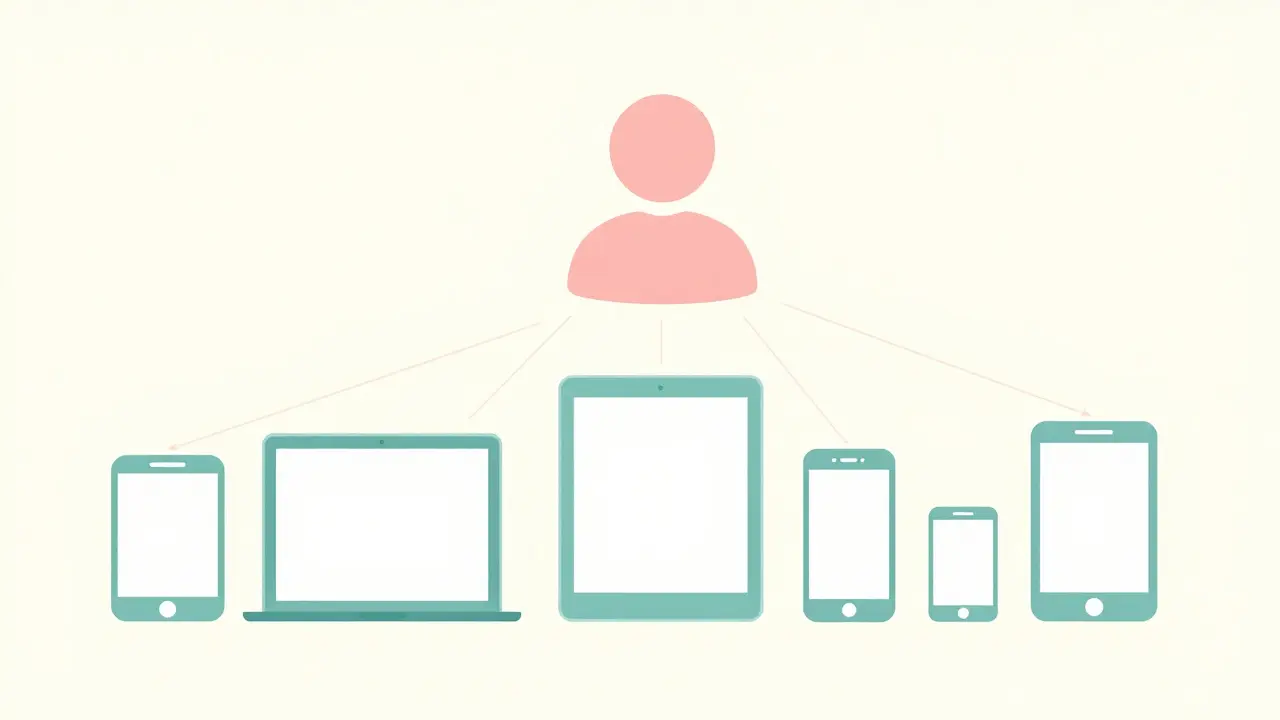
Here is the biggest benefit for regular users: portability. Currently, your account on TikTok does not work on Threads. Your followers don't transfer. On the DESO ecosystem, your identity is on-chain. Your public key is your username.
| Feature | Traditional Social (X, FB) | Decentralized Social (DESO) |
|---|---|---|
| Profile Ownership | Rented | Owned via Private Keys |
| Censorship Resistance | Vulnerable | On-chain Data Storage |
| Data Portability | Locked In | Movable Across Apps |
You can build an audience on one app, then switch to another interface and bring your followers and history with you. Developers can build new apps on top of the protocol, knowing they don't have to compete for user data-they share it openly. This opens the door for hundreds of independent applications focusing on specific niches: video, text, audio, or privacy-focused messaging.
Monetizing Content Without Intermediaries
Money moves differently here. Tipping is baked into every interaction. You don't need a third-party payment processor like Stripe or PayPal that takes a fee and holds your funds. The DeSo Wallet handles the crypto natively. If someone loves your post, they can instantly tip you. If a brand wants to sponsor you, they pay directly to your address.
This transparency also applies to royalties. When you mint an NFT or post content, the code ensures you receive a cut every time that asset changes hands. Smart contracts execute these payments automatically, removing the risk of platforms withholding earnings during disputes.
How to Get Involved Today
Entering the ecosystem requires a few steps compared to downloading an app. First, you download a compatible wallet like Openfund or Phala. These manage your private keys securely. Next, acquire some DESO cryptocurrency via a decentralized exchange (DEX) integrated into the wallet. You'll need a small amount of DESO to cover transaction fees for creating posts or profiles-similar to gas on other networks.
Once funded, create your profile. This generates your unique Creator Coin immediately. From there, you can interact with anyone on the network. The beauty is that even if the interface you are using shuts down tomorrow, your digital assets remain yours forever.
Is DESO safer than centralized social media?
Yes, primarily because your identity is not stored on a central server vulnerable to hacks. However, safety depends heavily on you safeguarding your private keys. If you lose your seed phrase, you lose your account, unlike Facebook where customer service can help reset passwords.
Do I need to be a developer to use DESO?
Not at all. User interfaces (UI) are built on top of the blockchain layer. Regular users interact with wallets and apps just like normal social media sites without needing to touch code.
Can I use DESO to replace my current social media entirely?
You can start replacing it. Many users treat it as a portfolio or secondary home base. As the ecosystem grows with more applications, it becomes a viable primary channel for serious creators and professionals.
What happens to my coins if the blockchain stops working?
The blockchain itself is hosted by many independent nodes globally. Unless a massive global catastrophe occurs, the decentralized nature means the ledger persists regardless of any single company going bankrupt.
Is investing in DESO risky?
All cryptocurrency involves significant volatility risks. Always invest amounts you are willing to lose, and never share your private keys with anyone promising guaranteed returns.