What is Velar (VELAR)? A Guide to Bitcoin L2 DeFi and Perpetuals
 May, 25 2026
Bitcoin was built for one thing: secure value transfer. For years, that meant holding it in a wallet or trading it on centralized exchanges. But what if you could trade derivatives, farm yield, or swap tokens using Bitcoin’s security without leaving the decentralized ecosystem? That is the promise behind Velar, a DeFi liquidity protocol built on Bitcoin Layer 2 networks, initially leveraging the Stacks blockchain to offer swaps, yield farming, and perpetual futures with Bitcoin finality.
If you have been watching the crypto space, you know "Bitcoin DeFi" is no longer a buzzword-it is a growing sector. Velar positions itself as an all-in-one hub for this activity. But before you buy the token or deposit funds, you need to understand exactly what Velar is, how it works technically, and why its price has seen wild swings since launch.
How Velar Works: The Technology Behind the Token
To understand Velar, you first have to look at where it lives. It does not run directly on the Bitcoin base layer, which is slow and expensive for complex smart contracts. Instead, Velar operates on Stacks, a Layer 2 blockchain that settles transactions on Bitcoin and uses the Clarity smart contract language for predictable execution.
This architecture gives Velar two main advantages:
- Bitcoin Security: Final settlement happens on Bitcoin blocks. This means your trades are ultimately secured by the most robust proof-of-work network in existence.
- Smart Contract Flexibility: By using Stacks and the Clarity language, Velar can deploy complex financial products like automated market makers (AMMs) and derivative contracts that native Bitcoin cannot support efficiently.
The protocol is designed to be "Layer 2 agnostic." While it launched on Stacks, the roadmap suggests expansion to other Bitcoin L2s like Rootstock in the future. This allows users to access a suite of DeFi tools-swaps, yield farming, and perpetuals-while keeping their exposure tied to Bitcoin’s economic model.
Core Features: More Than Just Swaps
Velar isn’t just another decentralized exchange (DEX). It aims to be a comprehensive DeFi suite. Here is what you can actually do on the platform:
- Token Swaps: Use the automated liquidity protocol to trade tokens instantly. Think of it as Uniswap, but for the Bitcoin ecosystem.
- Yield Farming: Provide liquidity to pools and earn rewards in VELAR tokens. This incentivizes users to keep the markets liquid.
- Perpetual Futures (Perps): This is Velar’s standout feature. It offers the world’s first decentralized perpetual contracts exchange with Bitcoin finality. You can trade with up to 20x leverage. Unlike many DeFi perps platforms that use wrapped BTC on Ethereum, Velar settles these high-leverage trades with Bitcoin-backed security.
- Token Launchpad: A mechanism for new projects to raise funds and distribute tokens within the Bitcoin DeFi ecosystem.
The perpetuals module is particularly ambitious. High-leverage trading usually requires deep liquidity and robust oracle systems to prevent manipulation. Velar claims to solve this by anchoring to Bitcoin’s immutability, though early-stage protocols always carry higher risk during peak volatility.
Understanding the VELAR Token
The VELAR token is the native utility token of the Velar protocol, used for governance, staking, fee discounts, and incentivizing liquidity providers. It acts as the backbone of the ecosystem.
Here are the key metrics you need to know about the token supply:
| Attribute | Value |
|---|---|
| Max Supply | 1,000,000,000 VELAR |
| Circulating Supply (Varies) | ~130M to ~330M (depending on vesting schedules) |
| Primary Chains | Stacks (Native), Ethereum (ERC-20 bridge) |
| Utility | Liquidity mining rewards, potential governance, fee payments |
Note that VELAR exists on multiple chains. On Stacks, it is a native token (SIP-010 standard). On Ethereum, it exists as an ERC-20 token (contract: 0x033BbDe722EA3Cdcec73cFFEA6581DF9F9C257de). This multi-chain presence makes it easier for traders to access the token via centralized exchanges like Bitfinex or Gate.io, even if they don’t want to interact with the Stacks blockchain directly.

Market Performance and Volatility Risks
Let’s talk about the elephant in the room: price action. Like many early-stage DeFi tokens, VELAR has experienced extreme volatility.
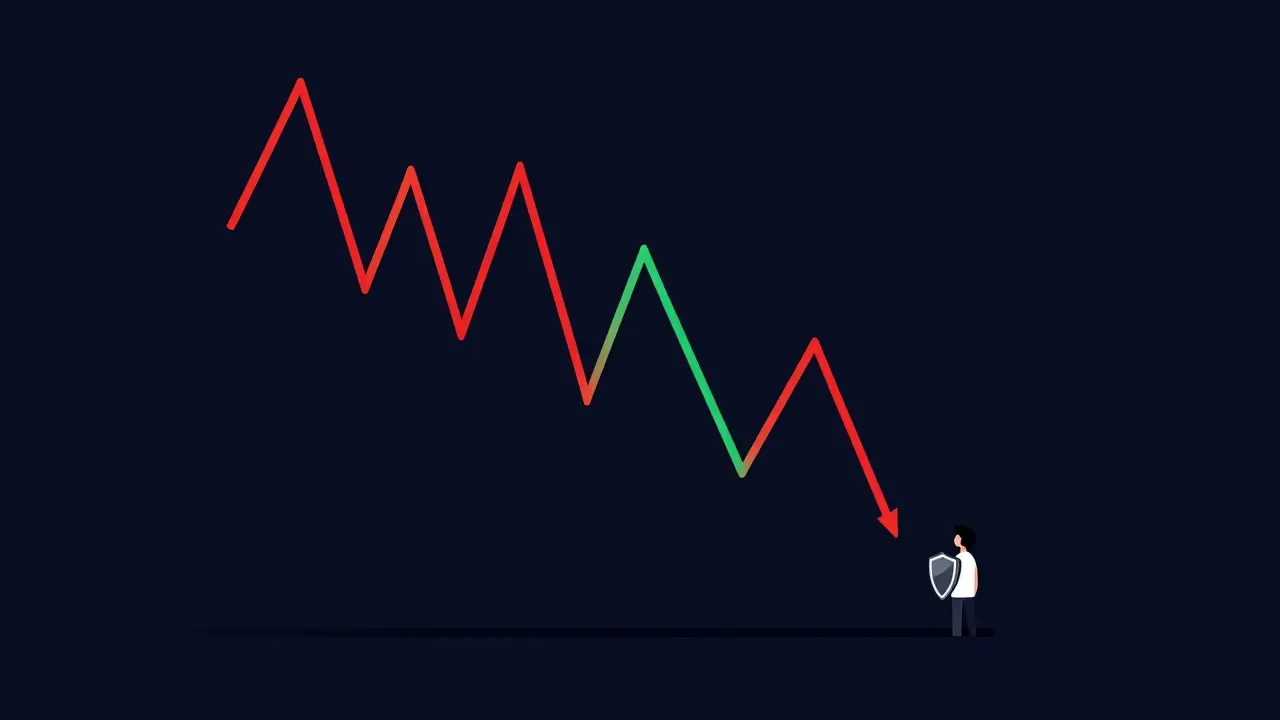
When Velar launched in March 2024, hype drove the price up quickly. It reached an all-time high of approximately $0.38 in April 2024. However, by late 2024 and into 2025, the price corrected sharply, dropping over 99% from that peak. Recent data points show prices fluctuating between $0.001 and $0.003, with daily trading volumes often under $100,000.
Why did this happen?
- Speculative Hype Cycle: Early listings often see irrational exuberance followed by profit-taking.
- Low Liquidity: With a small market cap (ranking around #3500+ globally), large sell orders can move the price significantly.
- Broad Market Conditions: The entire crypto market underwent corrections in 2024-2025, hitting small-cap altcoins hardest.
If you are considering buying VELAR, treat it as a high-risk, speculative asset. Do not invest money you cannot afford to lose. The low trading volume means you might face high slippage when entering or exiting positions.
How to Buy VELAR
You can acquire VELAR through both centralized and decentralized channels.
Option 1: Centralized Exchanges (CEX) Platforms like Bitfinex and Gate.io list VELAR. This is the easiest route for beginners.
- Create an account and complete KYC verification.
- Deposit fiat (via bank wire) or crypto (like USDT or BTC).
- Trade for VELAR on the spot market.
Option 2: Decentralized Exchanges (DEX) If you prefer self-custody:
- Use a Stacks-compatible wallet like Hiro Wallet or Xverse.
- Bridge assets to the Stacks network.
- Connect to the Velar DEX interface to swap tokens directly.
Security and Smart Contract Risks
Velar leverages Bitcoin’s security for finality, but that doesn’t make it immune to risks. The smart contracts running on Stacks must be secure. As of mid-2025, public details regarding third-party audits or bug bounty programs are limited in mainstream sources.
Always remember: interacting with new DeFi protocols carries inherent risks. Oracle failures, code vulnerabilities, or liquidity crunches can impact your funds. Never connect your primary wallet to unknown dApps, and start with small amounts to test the user experience.
Velar vs. Other Bitcoin DeFi Protocols
Velar is not alone in the Bitcoin DeFi space. How does it compare?
| Feature | Velar | ALEX Lab | Arkadiko |
|---|---|---|---|
| Primary Focus | All-in-one (Swaps, Perps, Yield) | DEX Aggregator & Swaps | Lending & Stablecoins |
| Derivatives/Perps | Yes (Up to 20x Leverage) | No | No |
| Blockchain | Stacks (L2 Agnostic) | Stacks | Stacks |
| Key Differentiator | Bitcoin-finality Perpetuals | Best Price Routing | Stablecoin Issuance |
While ALEX focuses on aggregation and Arkadiko on lending, Velar differentiates itself with its perpetual futures engine. If you are looking for leveraged trading options on Bitcoin L2s, Velar is currently one of the few dedicated options.
Is Velar a good investment in 2026?
Velar is a high-risk, speculative asset. Its price dropped over 99% from its 2024 peak. While the technology (Bitcoin-backed perps) is innovative, the token's value depends entirely on adoption and usage of the protocol. Only invest what you can afford to lose.
What blockchain is Velar built on?
Velar is primarily built on the Stacks blockchain, which is a Layer 2 solution for Bitcoin. It also has an ERC-20 version on Ethereum for easier trading on centralized exchanges.
Can I trade perpetual futures on Velar?
Yes, Velar offers decentralized perpetual futures contracts with up to 20x leverage. These trades settle with Bitcoin finality, distinguishing them from ETH-based perp DEXs.
Where can I buy VELAR tokens?
You can buy VELAR on centralized exchanges like Bitfinex and Gate.io. Alternatively, you can swap for it on decentralized exchanges within the Stacks ecosystem using a compatible wallet.
What is the max supply of VELAR?
The maximum total supply of VELAR is 1,000,000,000 tokens. Circulating supply varies as tokens vest for the team, investors, and community incentives.