Why Web3 Matters: Real Benefits for Every Internet User
 Apr, 17 2026
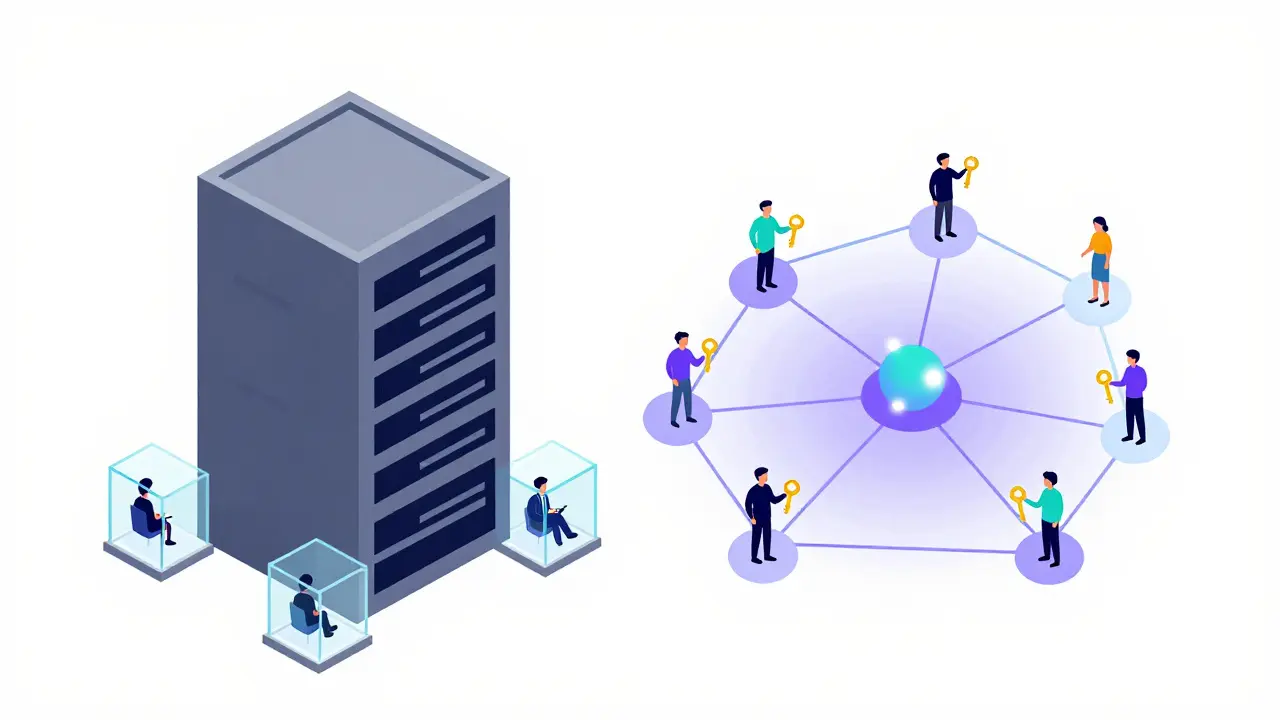
Ever feel like you're just renting your digital life? Whether it's your social media profile, your in-game items, or your professional data, almost everything you "own" online is actually controlled by a handful of giant companies. If a platform decides to shut down or ban your account, your digital assets vanish instantly. This is the fundamental flaw of the internet we use today. But Web3 is the next phase of the internet built on decentralized protocols that shift power from corporations back to the people. It isn't just a buzzword for tech enthusiasts; it's a complete rewrite of how we interact, trade, and exist online. By replacing central servers with blockchain technology, Web3 turns users from mere customers into actual owners.
Taking Back Control of Your Digital Life
In the world we're used to (Web2), companies like Meta or Google hold the keys to your identity. In Web3, you hold those keys yourself. This is made possible through self-custodial wallets like MetaMask. Instead of a username and password stored on a corporate server, you use a cryptographic private key to prove who you are. This means no one can "de-platform" your identity or freeze your assets on a whim.
Think about the risk of "platform lock-in." If you spend years building a reputation or collecting items in a centralized game, those assets are only valuable as long as that company exists. We saw this when Meta shut down certain parts of its virtual worlds, effectively erasing user-created content. Contrast that with Decentraland, where land is held as an NFT. Even if the developers disappeared tomorrow, the record of your ownership exists on the blockchain, independent of any single company.
True Ownership Through Tokenization
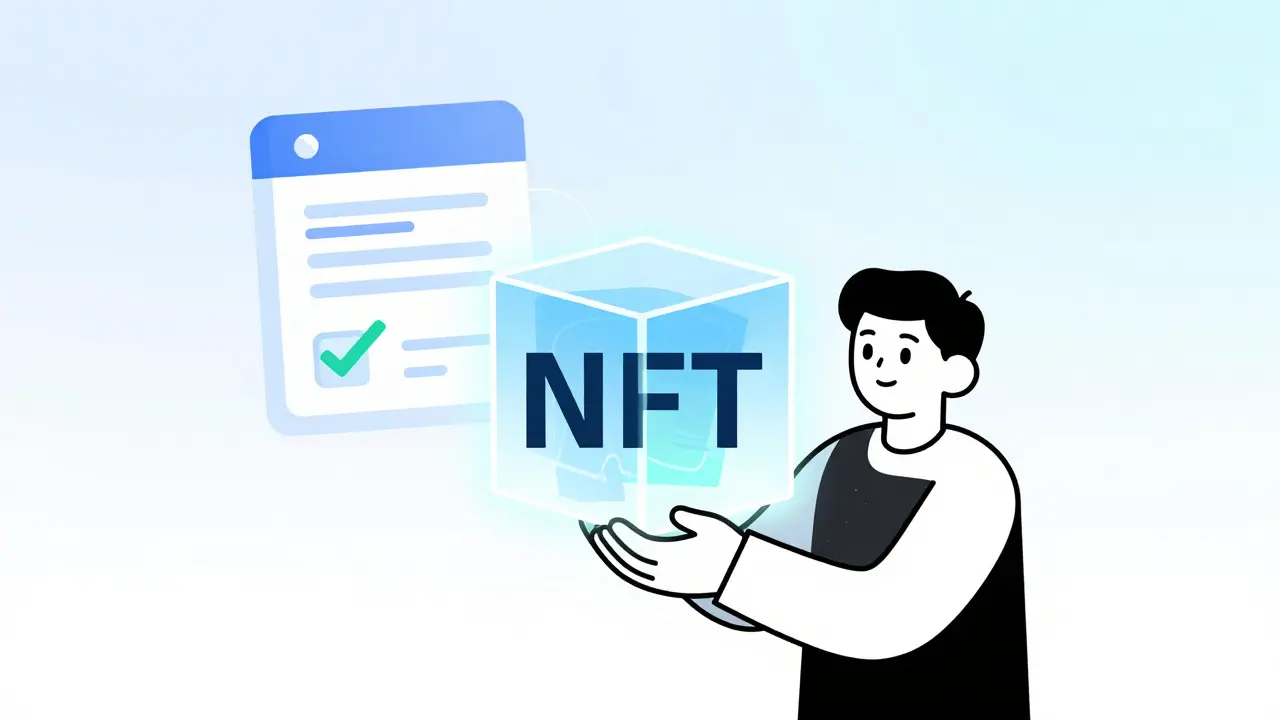
The most tangible benefit for users is the shift from "access" to "ownership." Through Non-Fungible Tokens (NFTs) and cryptocurrencies, digital items now have proven scarcity and origin. You can't just copy-paste a blockchain-verified asset; the ledger proves exactly who owns it and where it came from.
This isn't just about expensive digital art. It's about the Web3 benefits of verifiable scarcity. For example, the CryptoPunks collection has maintained a transparent ownership history across thousands of transactions since 2017. Compare this to a profile picture on X (Twitter)-anyone can copy it, and there's no native way to prove who the original creator or owner is without leaving the platform.
| Feature | Web2 (Centralized) | Web3 (Decentralized) |
|---|---|---|
| Data Control | Company owned & managed | User owned via private keys |
| Asset Portability | Locked to one platform | Portable across different apps |
| Transparency | "Black box" algorithms | Publicly verifiable ledgers |
| Monetization | Platform takes heavy cut | Direct peer-to-peer payments |
A Fairer Deal for Creators
If you're a creator, Web3 is a game-changer. Currently, platforms like TikTok or Spotify act as aggressive middlemen. They control the distribution and take a massive slice of the revenue. Web3 introduces a "read-write-own" model where creators can tokenize their work and sell it directly to their audience.
Look at the music industry. On traditional streaming services, artists might only see 10-15% of the revenue. On Sound.xyz, musicians can receive up to 90% of royalties on secondary sales. Because the royalty distribution is coded into a smart contract on the blockchain, the payment happens automatically and transparently. No more waiting for a label to send a check six months late.
This extends beyond music. The Theta Network allows users to actually get paid for sharing their unused internet bandwidth. Instead of just providing data to a giant telco for free, users earn tokens in a transparent distribution system. It turns the internet from something you pay for into something that can pay you.
Transparency and the End of "Trust Me"
We've spent the last two decades trusting companies with our data, hoping they won't sell it or lose it in a breach. Web3 replaces "trust" with "verification." Every transaction on a public blockchain is visible to anyone with an internet connection. Using tools like Etherscan, you can verify the movement of assets in real-time.
This transparency kills the "black box" effect. When a company says they've donated a million dollars to charity, you usually have to trust their press release. In a Web3 setup, you can see the exact wallet address the funds moved to and verify that the money actually arrived. This level of accountability is impossible in the current centralized web.
The Reality Check: Overcoming the Hurdles
It sounds like a utopia, but let's be honest: using Web3 right now can be a headache. The biggest barrier is the learning curve. For a regular person, the idea of a "seed phrase" (a series of 12-24 random words that act as your master key) is terrifying. If you lose that phrase, your money is gone forever. There is no "forgot password" button in a decentralized world.
Then there's the issue of speed and cost. Ethereum is the backbone for many of these apps, but it can be slow. While Visa processes 24,000 transactions per second, Ethereum's main chain only handles between 15 and 45. This often leads to "gas fees"-the cost of making a transaction-spiking during busy times, making a $5 NFT purchase cost $50 in fees.
However, things are getting better. Polygon, a Layer 2 scaling solution, has pushed throughput up to 7,000 transactions per second with fees that are practically zero. We're also seeing the rise of "social logins," where you can create a wallet using your email, bridging the gap between the ease of Web2 and the power of Web3.
What to Expect in the Near Future
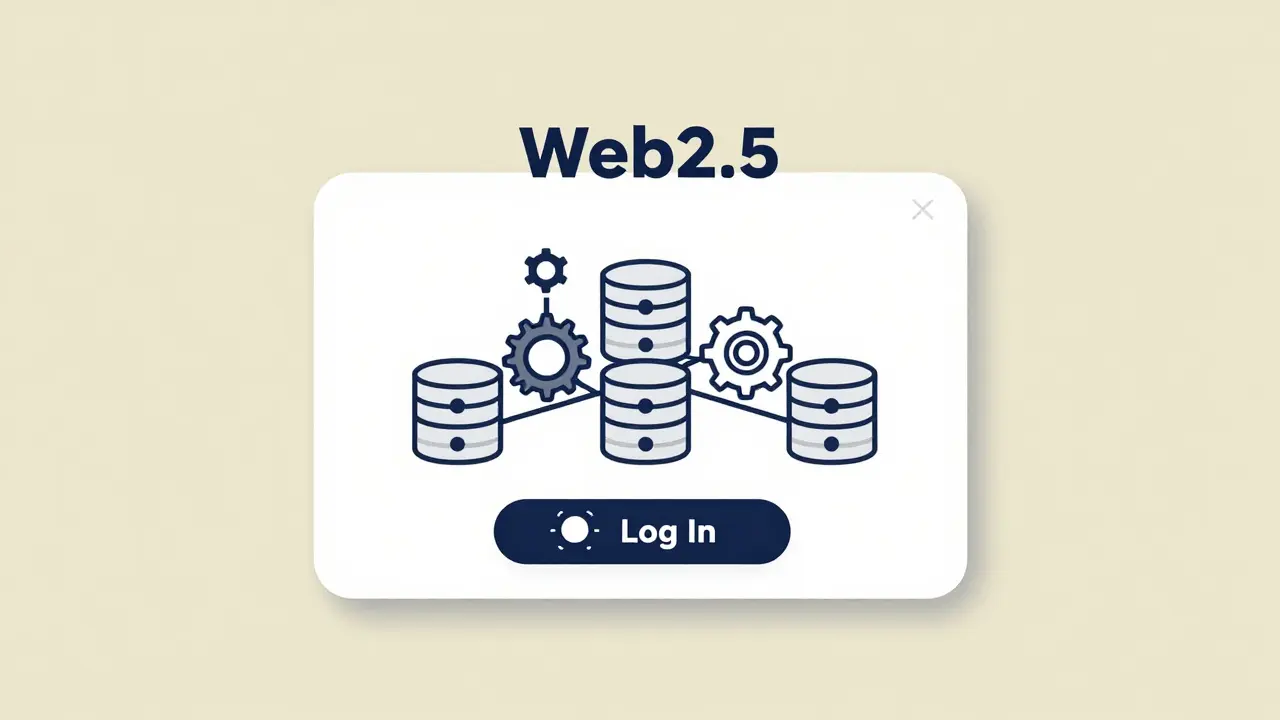
We are likely moving toward a "Web2.5" era. Most people won't want to manage complex cryptographic keys every day. Instead, they'll use apps that look and feel like the ones they have now, but with a Web3 backend. You'll log in with your face or a password, but your assets will be stored in a secure, decentralized vault that you actually own.
The long-term goal is a seamless internet where you move your digital identity from a social network to a game to a banking app without ever having to create a new account. You simply connect your wallet, and the apps read your permissions and assets instantly. It's a shift from the internet being a series of walled gardens to it being one open field where you carry your own keys.
What is the main difference between Web2 and Web3 for a regular user?
The core difference is ownership. In Web2, you use services provided by companies (like Facebook or Google) and they own your data and digital assets. In Web3, you use decentralized protocols where you own your data and assets via a private key, meaning no single company can take your digital property away from you.
Is Web3 actually safer than the current internet?
It depends on what you mean by "safe." It's safer from corporate censorship and massive central server hacks. However, it's "riskier" for individuals because you are your own bank. If you lose your private keys or seed phrase, there is no customer support team that can recover your funds.
Do I need to buy cryptocurrency to benefit from Web3?
Not necessarily. While many Web3 apps use tokens for payments or governance, the primary benefit is the architecture of ownership. You can use decentralized identity tools or access certain dApps (decentralized applications) without owning large amounts of crypto, though you usually need a wallet to interact with the ecosystem.
Why are transaction fees (gas) so high sometimes?
Blockchains have limited space for transactions in each block. When millions of people try to use a network like Ethereum at once, they compete for that space by offering higher fees to miners or validators. This is why Layer 2 solutions like Polygon are so important-they process transactions off the main chain to keep costs low.
Can my Web3 assets be stolen?
Yes, if you share your seed phrase or click on a malicious "smart contract" link that gives a hacker permission to move your funds. The security is mathematically strong, but the "human element" (phishing and scams) is the biggest vulnerability in the Web3 space.