Zappy Crypto Exchange Review: Is It a Scam or Just Confused?
 Sep, 1 2026
You clicked on this because you heard about Zappy and want to know if it’s safe to put your money there. Here is the hard truth right up front: Zappy (often referred to as ZappyPay) is not a cryptocurrency exchange in the traditional sense. It does not allow you to trade Bitcoin for Ethereum, nor does it offer complex trading pairs like Binance or Coinbase. Instead, it functions primarily as a payment processor designed for merchants to accept digital assets. If you are looking for a platform to buy, hold, and trade crypto with advanced charting tools, Zappy might leave you scratching your head. But if you are a business owner wanting to take crypto payments without signing up for a massive account, that is where its value lies.
The Identity Crisis: Payment Processor vs. Exchange
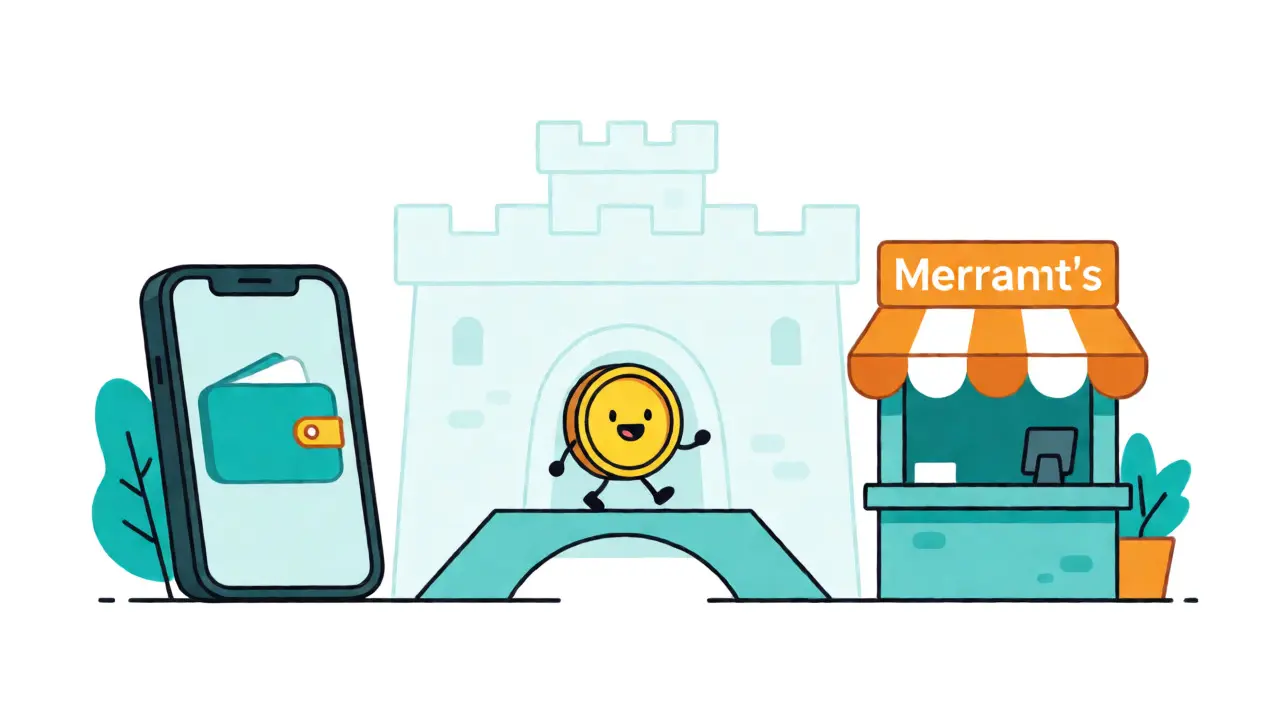
Confusion often stems from naming conventions. Many fintech startups use catchy names that sound like trading platforms but operate differently. ZappyPay describes itself as a service that accepts over 100 cryptocurrencies with one-click checkouts. Notice the word "checkout." That is e-commerce language, not trading language. A true cryptocurrency exchange facilitates the buying and selling of assets between users or against fiat currency. Examples include Kraken, Coinbase, and Binance. These platforms require you to deposit funds, verify your identity (KYC), and manage a portfolio. Zappy skips most of this by focusing on direct wallet-to-wallet transactions for purchases. This distinction matters because it changes how you evaluate security and fees. You aren't storing your life savings on Zappy; you are using it to move money from your personal wallet to a merchant's wallet.
| Feature | ZappyPay (Payment Processor) | Traditional Exchange (e.g., Kraken/Coinbase) |
|---|---|---|
| Primary Function | Accepting payments for goods/services | Trading, buying, and holding assets |
| Custody of Funds | Minimal to None (Direct transfer) | High (Exchange holds user assets) |
| KYC Requirements | Low or None for small transactions | Mandatory (ID verification required) |
| Security Model | Gateway security, no cold storage needed | Cold storage, multi-sig wallets, insurance |
| User Experience | One-click checkout for buyers | Dashboards, order books, charts |
Why Users Confuse Zappy With an Exchange
Marketing plays a huge role here. When a new app pops up promising "easy crypto," people assume it’s another place to trade. The lack of sign-up requirements for basic transactions makes Zappy feel frictionless compared to the bureaucratic hurdles of regulated exchanges. You don’t need to upload your passport photo to pay for a coffee. However, this convenience comes at a cost. Because Zappy doesn’t custody large amounts of user funds for trading purposes, it doesn’t advertise the heavy-duty security features you see on major exchanges. There is no mention of cold storage percentages, such as the 99.99% offline storage reported by Kraken. Why? Because Zappy isn’t keeping your Bitcoin in a vault for years; it’s processing a transaction and moving on. If you expect to see a balance sheet showing your holdings growing through staking rewards or lending interest, you won’t find it here.
Security Implications: What You Need to Know
Security in crypto is binary: either you control the keys, or someone else does. In the case of Zappy, the model leans toward non-custodial transactions. This is actually a plus for privacy-conscious users. Since Zappy acts as a bridge rather than a bank, the risk of a massive hack wiping out user balances is lower than on a centralized exchange. Centralized exchanges are honeypots for hackers because they hold billions in hot and cold wallets. Remember the Mt. Gox collapse or the FTX implosion? Those were custodial failures. Zappy avoids this specific type of catastrophic failure by design. However, do not mistake "low custody risk" for "no risk." You still need to ensure the merchant integration is secure. If the website uses Zappy for checkout, your transaction relies on the integrity of both the merchant’s site and Zappy’s gateway. Always verify the URL and look for HTTPS encryption. Unlike exchanges that provide detailed audit reports and SOC 2 compliance certifications, payment processors often keep their backend infrastructure less public. This opacity requires you to trust the brand reputation more than the technical transparency.
Who Should Actually Use Zappy?
If you are a trader trying to day-trade altcoins, skip Zappy. Go to a platform with deep liquidity and low spreads. But consider these scenarios where Zappy shines:
- E-commerce Merchants: If you run an online store and want to accept Dogecoin or Shiba Inu without integrating complex blockchain nodes yourself, Zappy simplifies the process. It converts the crypto payment into a settled state for your accounting needs.
- Privacy-Focused Buyers: Some users hate sharing personal data. Zappy’s "no sign-up" promise for certain tiers appeals to those who want to spend crypto anonymously.
- Small Transaction Frequenters: For buying a $5 subscription or a digital gift card, waiting for KYC approval on a big exchange is annoying. Zappy removes that friction.
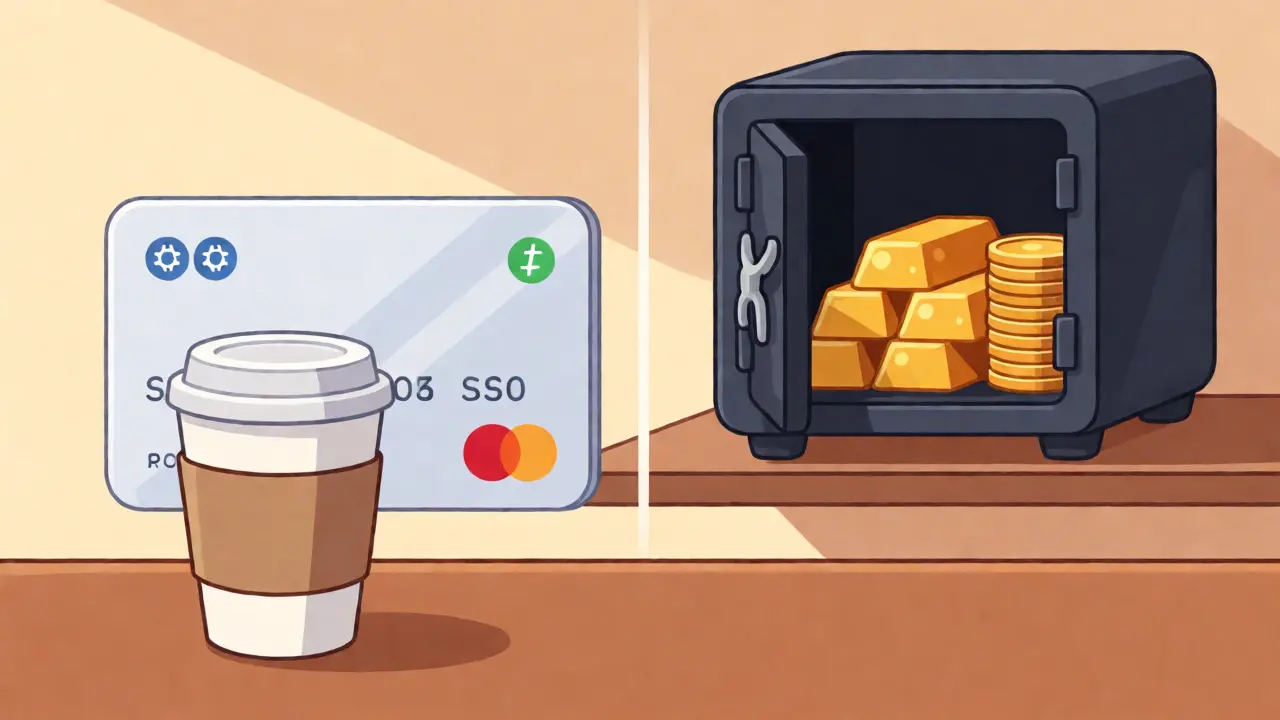
Conversely, avoid Zappy if you need to convert large sums of fiat to crypto instantly. Most payment processors have limits on transaction sizes to prevent fraud. They are optimized for retail-sized purchases, not whale trades.
The Risk of Non-Existent Platforms
A critical point from recent market analysis is the prevalence of "ghost" exchanges. Sometimes, a name appears in social media ads but has no footprint on CoinGecko or CoinMarketCap. As of late 2025, legitimate top-tier exchanges all share common traits: regulatory licenses, third-party audits, and transparent reserve proofs. ZappyPay fits the profile of a niche tool, but always double-check the domain. Scammers often clone popular names. Ensure you are visiting the official ZappyPay site and not a typosquatting version like "zappy-exchange.xyz" which might be a scam. If a platform claims high APY yields (like 20%+) for simply holding funds on Zappy, be skeptical. Payment processors rarely offer yield products; that is the domain of lending protocols or exchanges with staking programs.
Final Verdict: Trust but Verify
Zappy is not a bad product; it is just a misunderstood one. It solves a specific problem: making crypto usable for everyday commerce. It fails to solve the problem of wealth accumulation through trading. Treat it as a utility, like PayPal for crypto, rather than an investment vehicle. Keep your long-term holdings in a hardware wallet or a reputable exchange with cold storage. Use Zappy when you actually want to spend your coins. By separating your "spending" layer from your "saving" layer, you reduce your exposure to platform-specific risks while enjoying the speed that services like Zappy provide.
Is Zappy a real cryptocurrency exchange?
No, Zappy (specifically ZappyPay) is primarily a cryptocurrency payment processor, not a trading exchange. It allows merchants to accept crypto payments but does not typically offer spot trading, margin trading, or order books like Binance or Coinbase.
Does Zappy require KYC verification?
For many small transactions, Zappy markets itself as having "no sign-ups," implying minimal or no KYC (Know Your Customer) checks. However, larger transactions or merchant accounts may still require verification depending on local regulations and anti-money laundering laws.
Can I store my Bitcoin on Zappy?
It is not recommended to use Zappy as a long-term storage solution. Since it is a payment gateway, it does not emphasize cold storage or asset custody features found in dedicated wallets or exchanges. Keep your long-term holdings in a hardware wallet or a trusted exchange.
What cryptocurrencies does Zappy support?
ZappyPay claims to support over 100 cryptocurrencies. This includes major assets like Bitcoin, Ethereum, and Litecoin, as well as various stablecoins and meme coins, allowing for flexible payment options for merchants.
Is Zappy safer than a centralized exchange?
In terms of hacking risk regarding stored funds, yes, because Zappy holds less user capital. However, centralized exchanges have robust security teams, insurance, and audits. Zappy's safety depends more on the integrity of the specific transaction and the merchant's website security.