What is StablR Euro (EURR)? A Guide to the Regulated Stablecoin
 Jun, 2 2026
Buying euros online usually means waiting days for bank transfers and paying fees that eat into your money. StablR Euro, known by its ticker EURR, changes that game. It is a digital token pegged 1:1 to the euro, designed to move as fast as crypto but stay as steady as cash. If you are looking for a way to hold or send euros without traditional banking delays, EURR might be the tool you need.
But here is the catch: not all stablecoins are created equal. Some rely on complex algorithms that can crash. Others hide their reserves in opaque funds. StablR positions itself differently. They claim EURR is a fully regulated "electronic money token" under European law. That sounds promising, but what does it actually mean for your wallet? Let’s break down how EURR works, where it lives on the blockchain, and how it stacks up against bigger players like Circle’s EURC.
How StablR Euro (EURR) Works
At its core, StablR Euro is a fiat-backed stablecoin issued by the company StablR. The goal is simple: every single EURR token in circulation should be backed by one real euro held in reserve. This is called a full-reserve model. Unlike algorithmic stablecoins that try to maintain their price through code and market incentives, EURR relies on actual cash assets.
According to StablR, these reserves consist of "cash and cash equivalents." In plain English, this means bank deposits and very short-term, highly liquid instruments denominated in euros. If there are 10 million EURR tokens out there, StablR claims they hold approximately 10 million euros in segregated accounts. This structure allows holders to redeem their tokens for real euros at par value-meaning 1 EURR always equals 1 EUR-at any time.
This setup makes EURR distinct from speculative cryptocurrencies like Bitcoin or Ethereum, which swing wildly in price. Instead, it functions more like digital cash. You use it when you want the speed of blockchain transactions but the stability of the euro currency. For traders, it’s a safe haven to park funds during volatile markets. For businesses, it’s a way to settle invoices across borders instantly.
The Regulatory Edge: MiCA and Electronic Money Tokens
Regulation is the biggest selling point for StablR. In the European Union, the landscape for crypto assets has shifted dramatically with the introduction of the Markets in Crypto-Assets (MiCA) regulation. MiCA creates a strict legal framework for crypto issuers, particularly those pegging their tokens to official currencies like the euro.
StablR explicitly labels EURR as an Electronic Money Token (EMT). Under MiCA, an EMT is a specific category of asset that must be fully backed by funds and issued by authorized entities, similar to traditional e-money institutions. This classification forces StablR to adhere to rigorous standards regarding capital requirements, transparency, and consumer protection.
Why does this matter to you? Because it reduces counterparty risk. With unregulated stablecoins, you are trusting the issuer’s word that the money is there. With a MiCA-compliant EMT like EURR, regulatory bodies oversee the process. While StablR’s public materials do not always list specific license numbers or supervisory authorities in detail, the commitment to this framework signals a focus on long-term viability and legal compliance rather than quick profits.
Technical Infrastructure: Ethereum and Solana
A stablecoin is only useful if you can actually spend it. To achieve global accessibility, StablR has deployed EURR on two major blockchains: Ethereum and Solana.
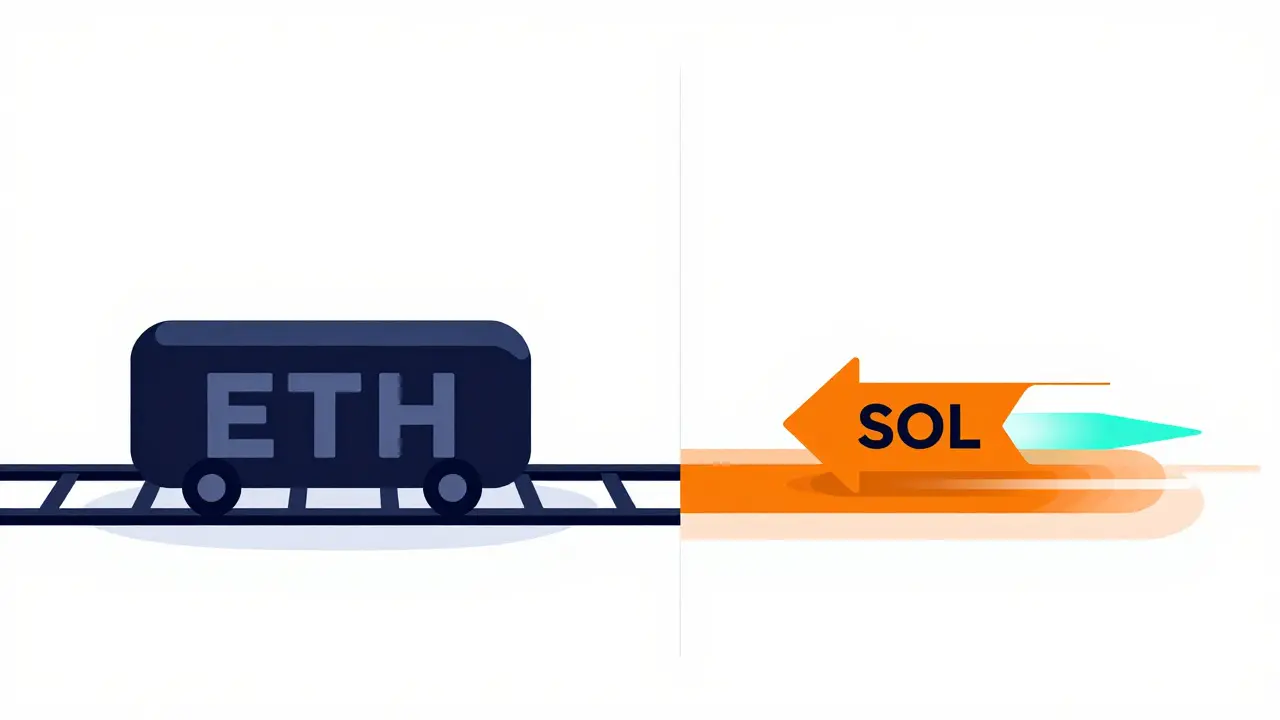
On Ethereum, EURR likely operates as an ERC-20 token. This is the standard format for most assets on the network, ensuring compatibility with thousands of wallets, decentralized exchanges (DEXs), and DeFi protocols. However, Ethereum can sometimes suffer from high gas fees and slower transaction times during peak congestion.
Solana offers a different experience. Known for its high throughput and low costs, Solana allows for near-instant transfers with fractions of a cent in fees. By supporting both networks, StablR gives users a choice. If you are moving large amounts and prioritize security and deep liquidity, Ethereum might be your go-to. If you are making small, frequent payments or trading actively, Solana’s speed and cost-efficiency make it a compelling option.
| Feature | Ethereum | Solana |
|---|---|---|
| Token Standard | ERC-20 | SPL |
| Transaction Speed | Variable (can be slow) | Very Fast (~400ms) |
| Cost per Transaction | Higher (gas fees) | Low (fraction of a cent) |
| Ecosystem Depth | Largest DeFi ecosystem | Growing rapidly |

Market Position and Competition
The euro stablecoin market is growing, but it remains small compared to dollar-pegged giants like USDT and USDC. According to data aggregators like CoinGecko, the total market capitalization for all euro-pegged stablecoins hovers around $492 million. Within this niche, competition is fierce.
The dominant player is Circle’s EURC (formerly EUROC). Circle is a well-established financial institution with massive backing. Their EURC is also MiCA-compliant and available on even more chains, including Avalanche, Base, and Stellar. With a market cap often exceeding $400 million, EURC captures the majority of the euro stablecoin volume.
Then there are older contenders like STASIS EURO (EURS) and Angle Protocol’s EURA. These tokens have established user bases but vary in their regulatory approaches and reserve compositions. Where does EURR fit in? Currently, it occupies a smaller, more specialized segment. It is not yet listed among the top tracked assets by major aggregators in terms of sheer volume. This suggests that while EURR is operational and compliant, it has not yet achieved the widespread adoption of its larger rivals.
For users, this means lower liquidity. If you try to swap a large amount of EURR for another asset on a decentralized exchange, you might face wider spreads (the difference between buy and sell prices) compared to swapping EURC. However, for smaller transactions or specific use cases within the StablR ecosystem, this may not be a significant hurdle.
Risks and Considerations
No investment is without risk, and stablecoins are no exception. Even though EURR is backed by cash, you are still exposed to several potential issues:
- Custodial Risk: Your trust lies with StablR to hold the reserves properly. While they claim full backing, independent audits and regular attestation reports provide crucial verification. Without transparent, third-party published proofs of reserves, it is harder to verify the 1:1 peg independently.
- Smart Contract Risk: Since EURR exists on Ethereum and Solana, it relies on smart contracts. Bugs or vulnerabilities in these codes could theoretically lead to exploits. Always ensure you are interacting with the official contract addresses provided by StablR.
- Regulatory Changes: While MiCA provides clarity, regulations can evolve. Future rules might impose stricter requirements on redemption processes or cross-border usage, potentially affecting how easily you can convert EURR back to fiat euros.
- Liquidity Risk: As a smaller stablecoin, EURR might not be supported by all centralized exchanges or DeFi platforms. Before using it for a specific trade, check if your preferred platform actually lists the token.
The European Central Bank (ECB) has noted that euro-denominated stablecoins generally suffer from lower liquidity than their dollar counterparts. This means that in times of extreme market stress, selling large amounts of EURR quickly without impacting the price could be challenging.
Who Should Use StablR Euro?
EURR isn’t for everyone. If you are a high-frequency trader needing maximum liquidity across dozens of exchanges, EURC or USDC might serve you better due to their deeper market presence. However, EURR shines in specific scenarios:
- EU-Based Businesses: Companies looking to pay freelancers or suppliers across Europe can use EURR to bypass slow SEPA transfers and high wire fees, especially if the recipient prefers crypto.
- DeFi Users on Solana: If you operate primarily on the Solana network, having a native, regulated euro stablecoin allows you to hedge against USD volatility without bridging assets across chains.
- Privacy-Conscious Payers: For individuals who want to transact in euros digitally without exposing their bank details to merchants, EURR offers a layer of separation, provided the merchant accepts it.
To get started, you typically need to go through a Know Your Customer (KYC) process with StablR or a licensed partner to mint or redeem tokens. Once you have them, you can store EURR in any compatible Ethereum or Solana wallet. Just remember to double-check the network before sending; sending ERC-20 EURR to a Solana address will result in lost funds.
Future Outlook
The future of StablR Euro depends heavily on execution and adoption. As MiCA rolls out fully across the EU, demand for compliant, regulated stablecoins will likely increase. Banks and traditional finance firms are beginning to explore tokenized assets, and a trusted euro stablecoin could become a key infrastructure piece.
If StablR can secure listings on major centralized exchanges, publish regular independent reserve attestations, and expand its chain support beyond Ethereum and Solana, EURR could grow significantly. Conversely, if it fails to gain traction against entrenched competitors like Circle, it may remain a niche product. Keep an eye on their transparency reports and partnership announcements to gauge their momentum.
Is StablR Euro (EURR) safe to hold?
Safety depends on your definition. EURR is structurally safer than algorithmic stablecoins because it is 100% backed by cash and cash equivalents. It is also regulated as an electronic money token under EU MiCA rules. However, you still face custodial risk (trusting StablR to manage reserves) and smart contract risk. Always verify official channels and consider diversifying your holdings.
Can I convert EURR back to real euros?
Yes. StablR states that EURR is redeemable at par value (1 EURR = 1 EUR) at any time. This usually involves interacting with StablR or a licensed partner, which requires completing KYC (Know Your Customer) identity verification procedures.
What is the difference between EURR and EURC?
Both are regulated, euro-pegged stablecoins. EURC is issued by Circle and is much larger in market cap, offering broader liquidity and support on more blockchains (including Avalanche and Base). EURR is issued by StablR, currently supports Ethereum and Solana, and targets a niche of users seeking a fully regulated alternative with a focus on the "electronic money token" classification under MiCA.
Which blockchain is better for sending EURR?
It depends on your needs. Use Ethereum (ERC-20) if you need access to the widest range of DeFi protocols and centralized exchanges. Use Solana (SPL) if you want faster transaction speeds and significantly lower fees. Ensure your wallet supports the specific network you are using.
Does StablR publish proof of reserves?
StablR claims 100% backing by cash and cash equivalents. However, unlike some larger issuers that publish frequent, detailed third-party attestation reports, StablR’s public documentation on specific reserve breakdowns and audit schedules is less prominent. Users should monitor their official communications for transparency updates.